Contents
Photos of The Money Game II: Kabutochou no Kiseki cartridge
Friends, there’s a new article on the site: EZ-Flash Air Review: Features, Limitations, and Comparison with Other Models.
ChisLink - a revolution in the GBA world.
Friends, AliExpress now has:
Cool metal labels for Game Boy Advance consoles. Important: the OMEGA series will no longer be produced — it is being replaced in the lineup by the EZ-Flash Air.
Cool eXtremeRate cases for GBA SP.
Friends, help me buy (if you have) various old stuff: Help me buy.
Japanese title: ザ・マネーゲームII カブト町の奇跡
The Money Game II: Kabutochou no Kiseki is an economic game for Famicom where you try yourself as a beginner stock speculator on the Tokyo Stock Exchange.
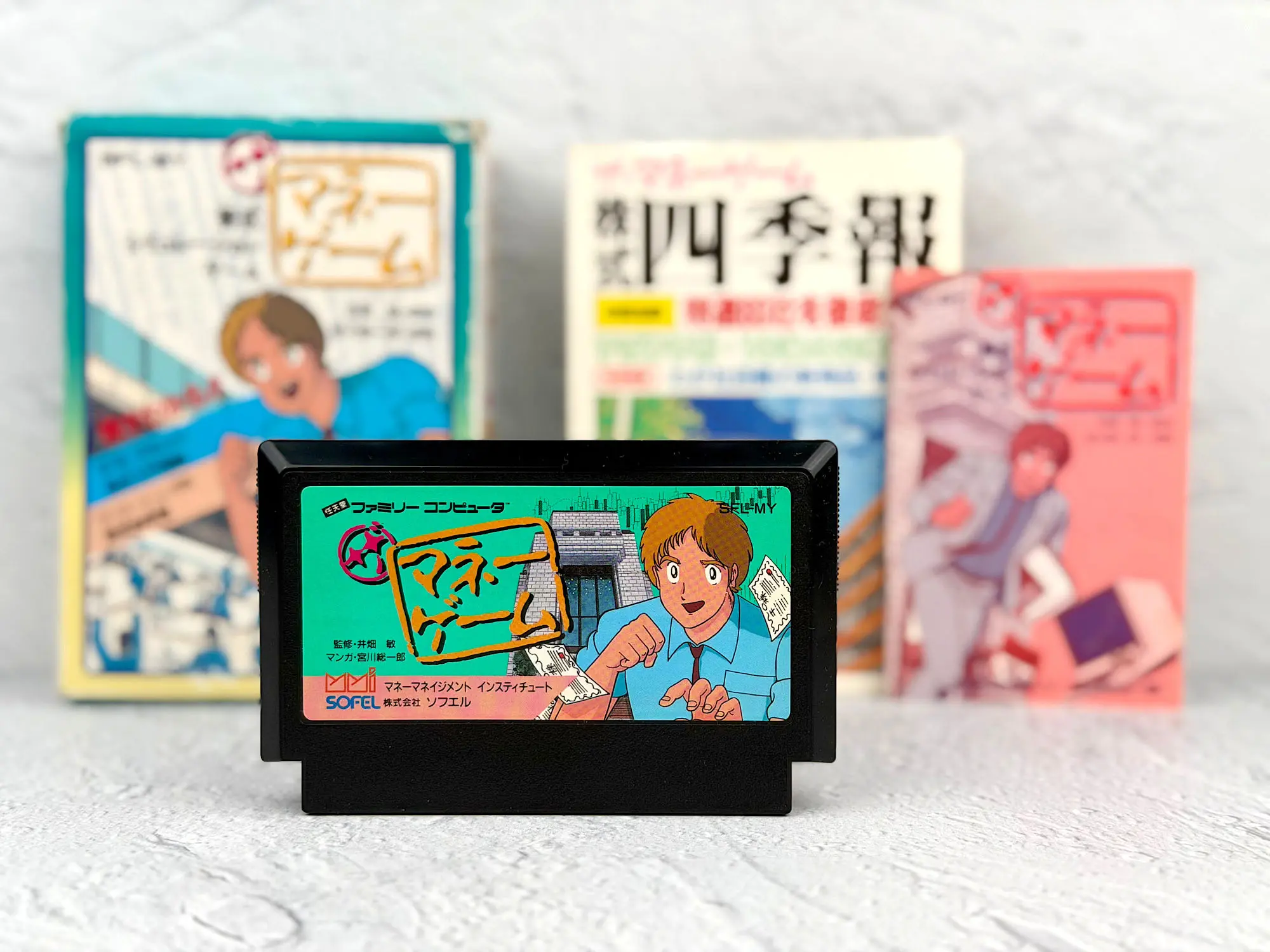
The plot is mostly there for flavor: the main character is an unemployed man whose wife constantly pressures him and yells at him.

One day he decides to try his luck on the market in Kabutochō — Tokyo’s local Wall Street.

In the game you read the news, watch stock prices, and decide when to buy and sell. It’s styled like the late ’80s, and the vibe feels surprisingly “adult”: calculation, caution, and a bit of luck matter.
Note: this game has a US adaptation — Wall Street Kid. The story and all details were fully reworked for the American setting, and the action moves from the Tokyo exchange to Wall Street.
Complete set
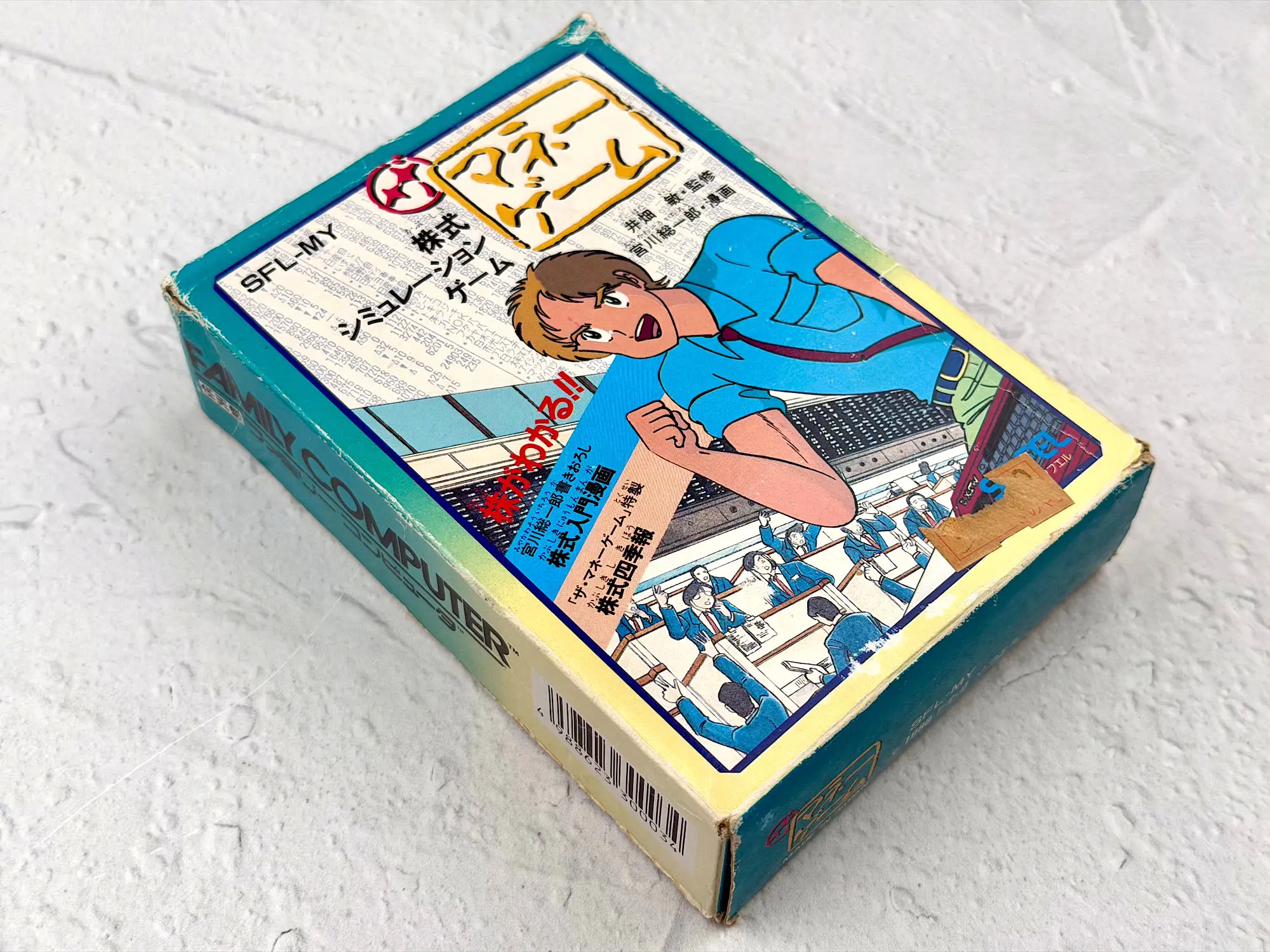
This game came in a very nice (and quite thick) box.
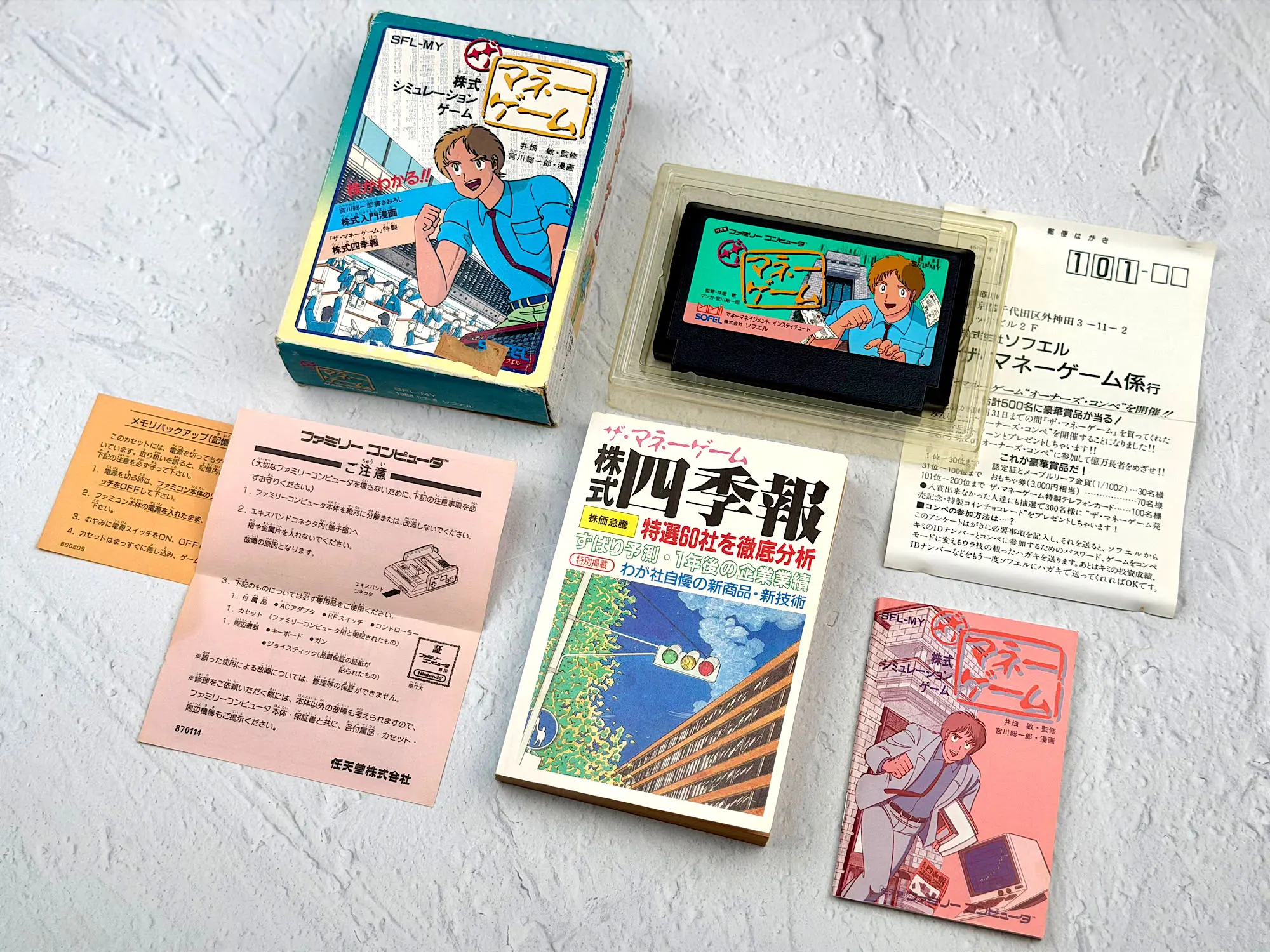
Inside you got:
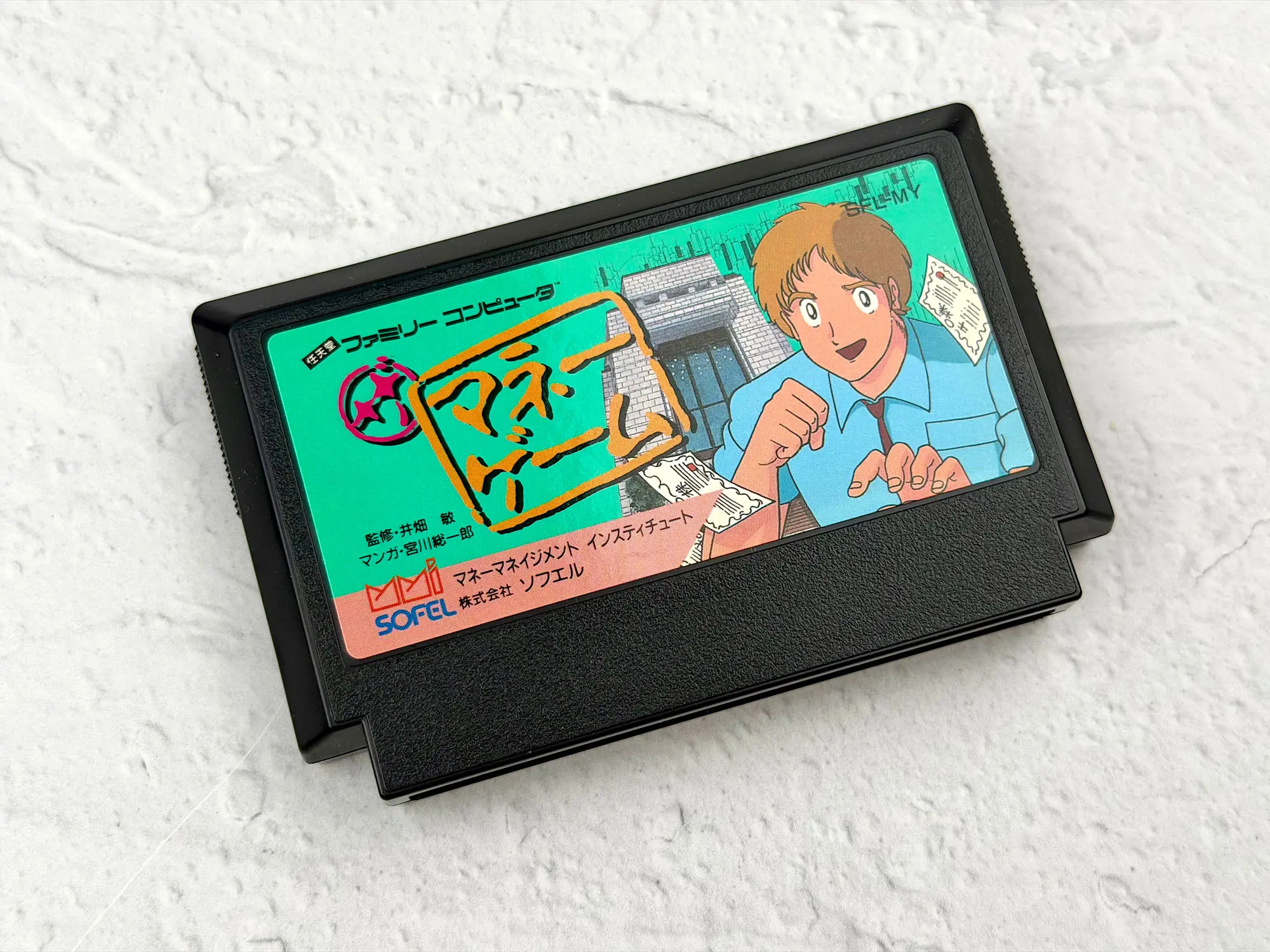
1. The game cartridge;
2. Technical documentation;
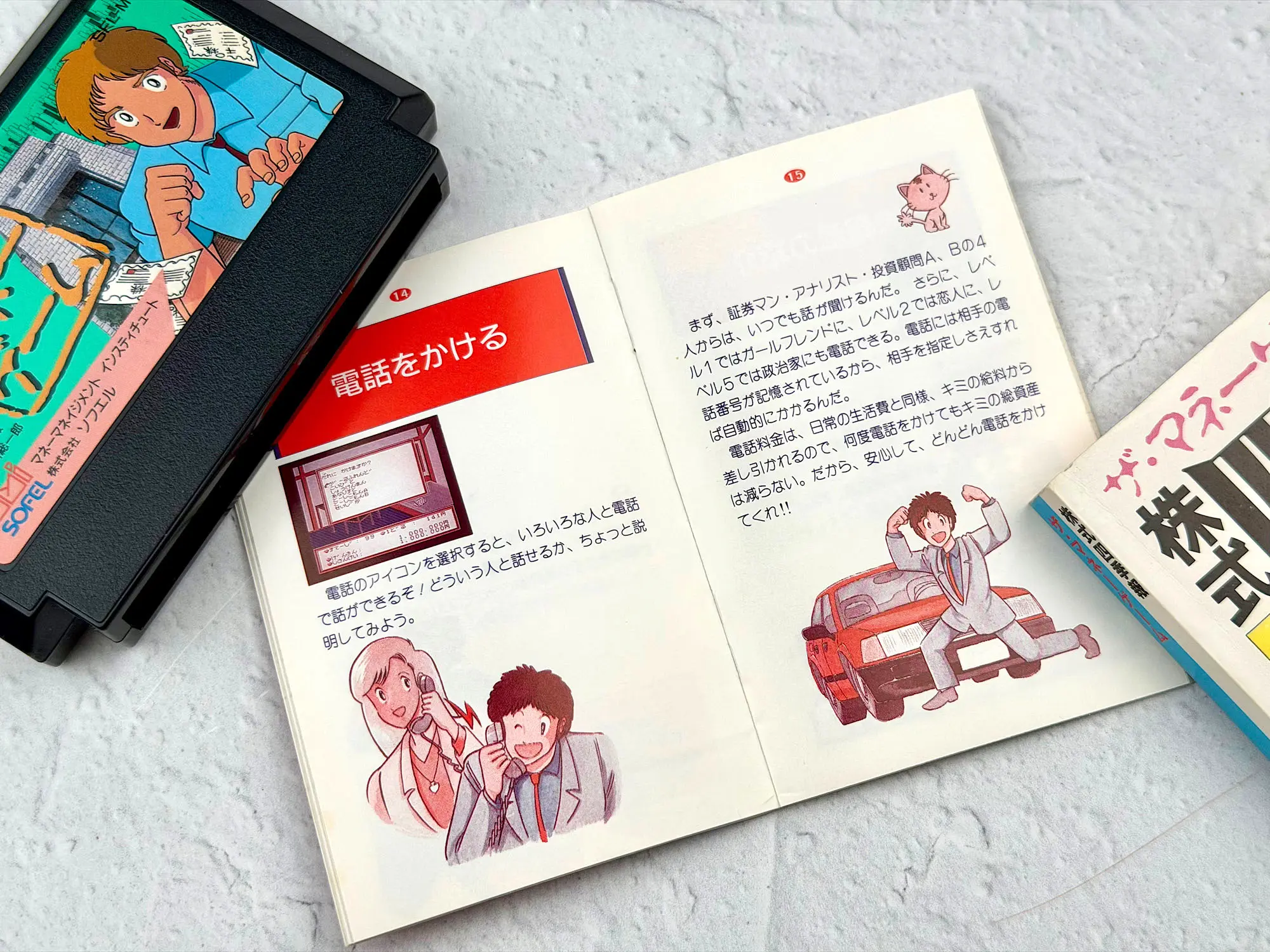
3. A bright pink game manual;
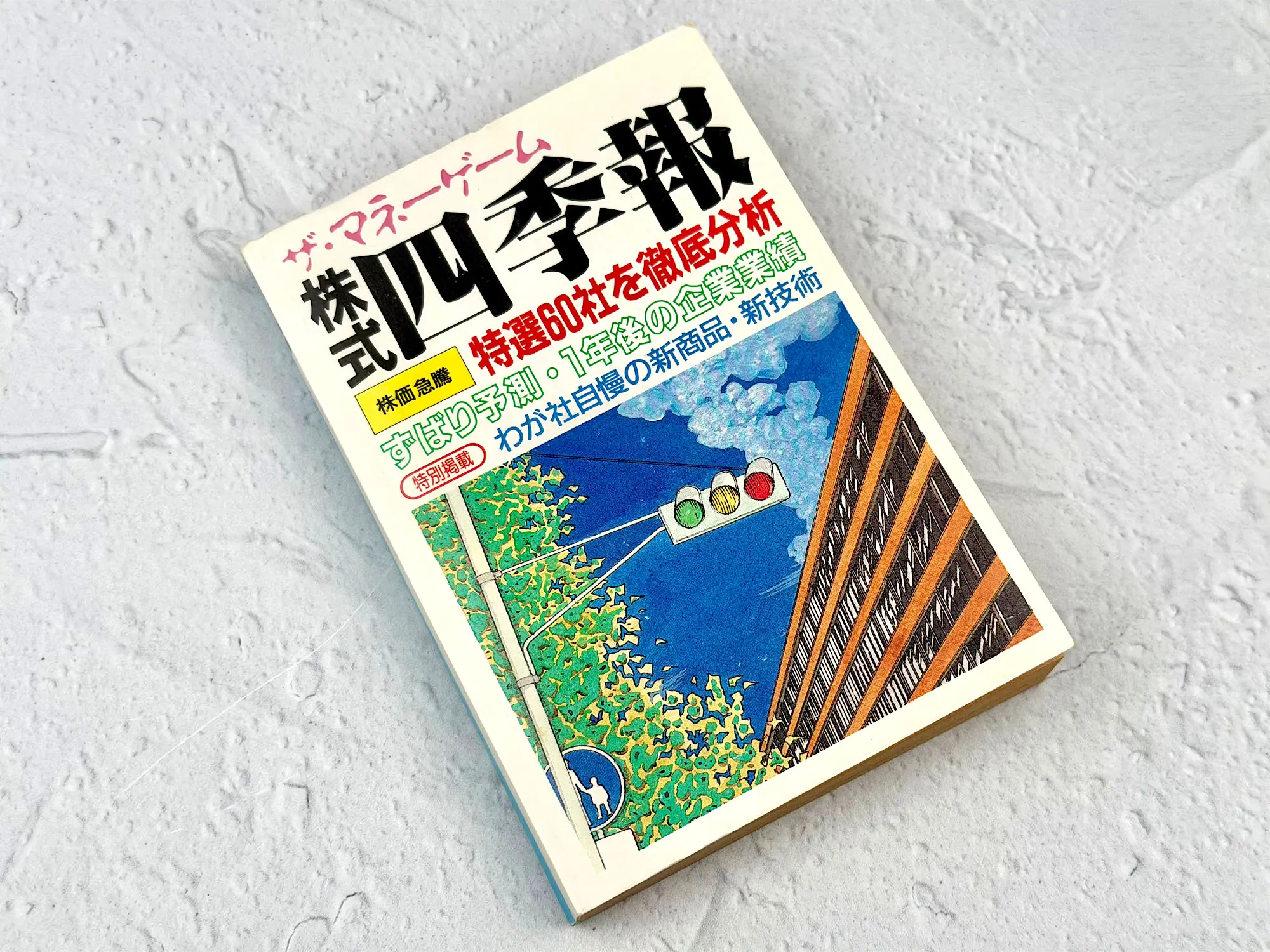
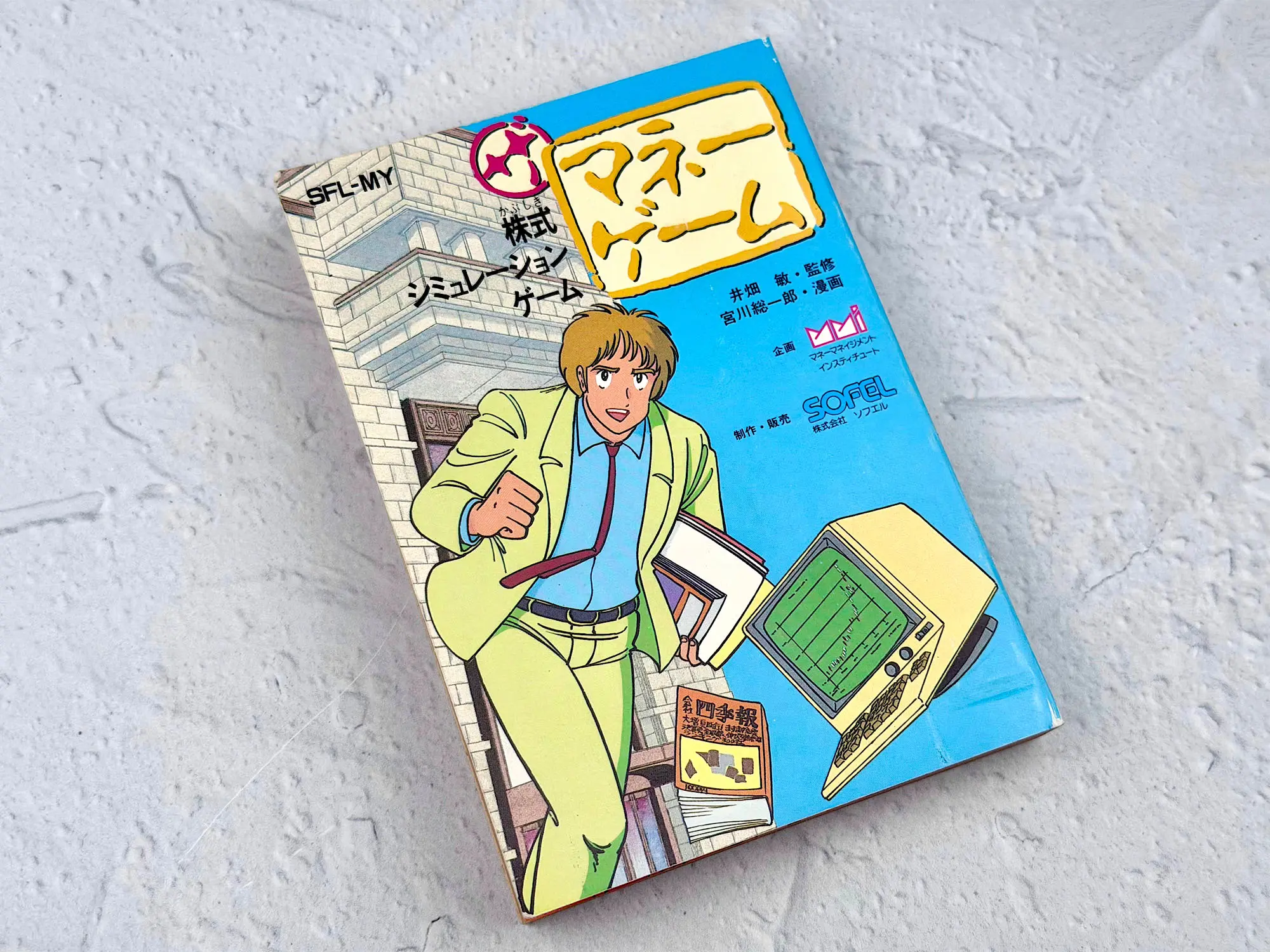
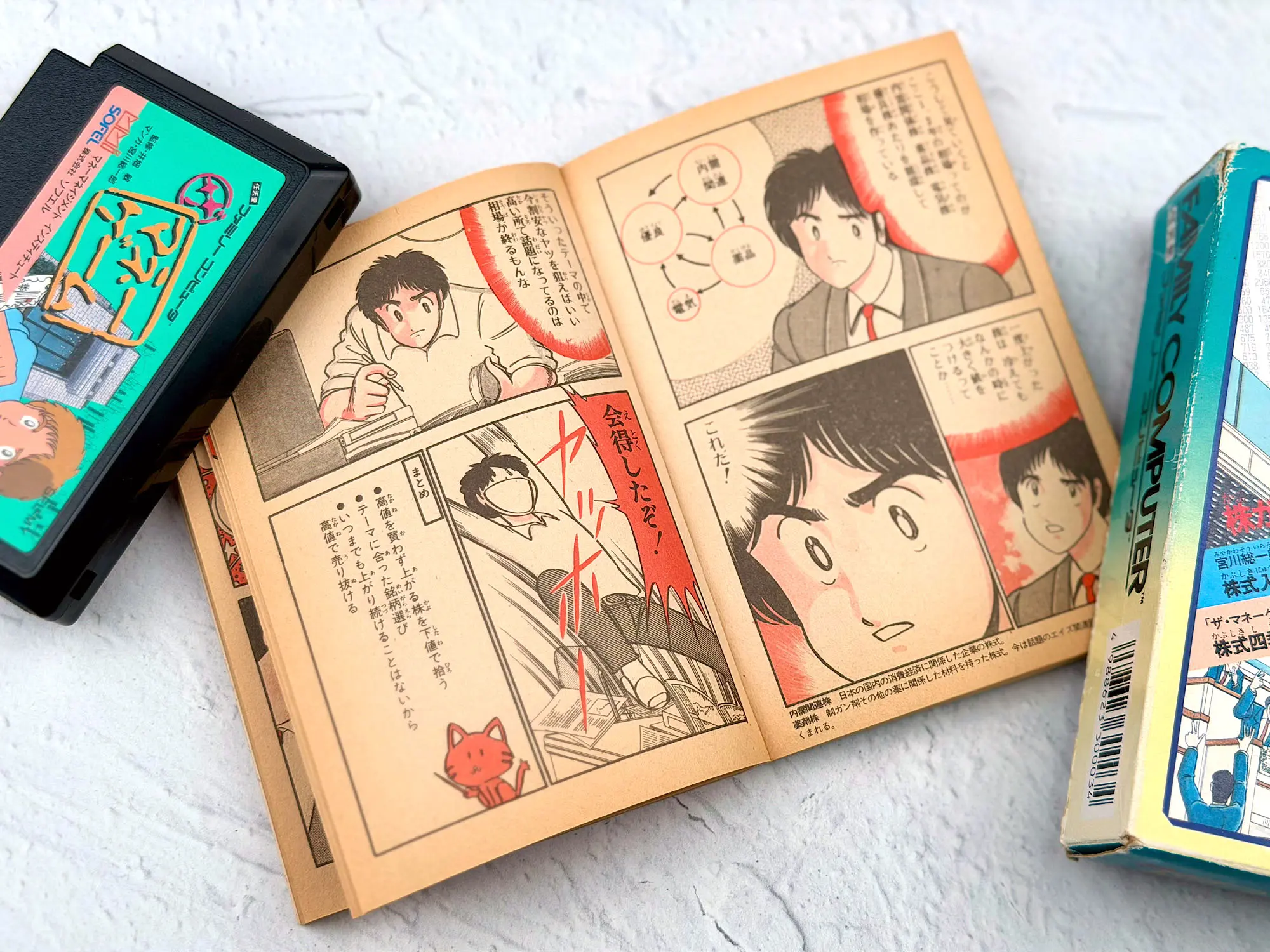
4. A small comic booklet: “A Simple Guide to Stock Investing” by Akira Minase.
“A Simple Guide to Stock Investing” by Akira Minase is not just an insert — it’s a real educational comic. The main character and his assistant explain how the stock market works and what affects share prices, in a simple and readable way. Everything is presented with that very Japanese 1980s vibe: humor and light irony. What’s interesting is that even after all these decades, the basic principles of “playing the market” described in the booklet haven’t really changed.
Let’s take a closer look.
Photos
Box:

Cartridge:

Manual:

Comic booklet:
Epilogue
That’s what The Money Game II: Kabutochou no Kiseki looked like as a complete set in Japan. At first glance it’s a typical economic simulator, but thanks to the educational comic inside the box, this release easily turns into a nice collector’s find. You don’t see this kind of “full immersion” often, even among Japanese releases: it’s not just a game, it’s a whole slice of the late ’80s stock-market atmosphere, when it all felt new.