Table of Contents
History of PlayStation Portable. Part 1. PSP-1000
Friends, there’s a new article on the site: EZ-Flash Air Review: Features, Limitations, and Comparison with Other Models.
ChisLink - a revolution in the GBA world.
Friends, AliExpress now has:
Cool metal labels for Game Boy Advance consoles. Important: the OMEGA series will no longer be produced — it is being replaced in the lineup by the EZ-Flash Air.
Cool eXtremeRate cases for GBA SP.
Friends, help me buy (if you have) various old stuff: Help me buy.
History of PlayStation Portable. Part 1. PSP-1000
History of PlayStation Portable. Part 2. PSP-2000
History of PlayStation Portable. Part 3. PSP-3000
History of PlayStation Portable. Part 4. PSP GO
History of PlayStation Portable. Part 5. Final
When it comes to portable consoles, Nintendo is undoubtedly the king. Many have tried to dethrone this company: Bandai with the Wonderswan, Sega with the Game Gear, and even SNK with the NeoGeo Pocket, but Sony came closest with their PSP.
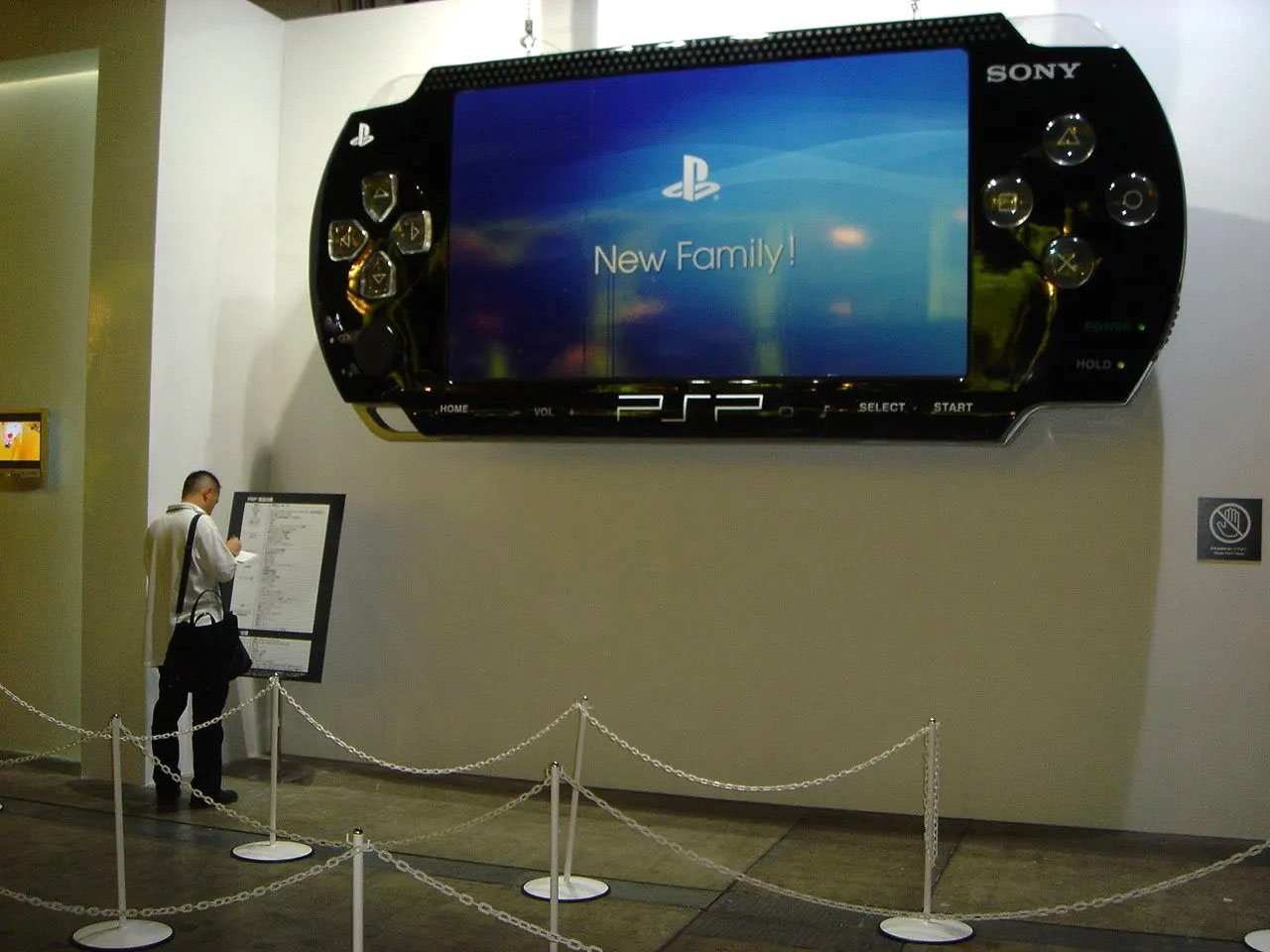
Previously, SCEI (Sony Computer Entertainment Inc) had already defeated Nintendo. The first PlayStation outsold the Nintendo 64 by three times (102 million sales vs. 33 million). And the PlayStation 2 simply destroyed the GameCube and became the best-selling console of all time (155 million sales vs. 22 million). But in portable gaming, Sony were newcomers, and I suggest we take a look at how they developed their console and how it all ended.
Strange Beginning
The history of the PSP, surprisingly, begins very abruptly. There was no insider information, no leaks, or official press releases.
On May 14, 2003, the E3 2003 exhibition was scheduled. And of course, Sony had to participate.
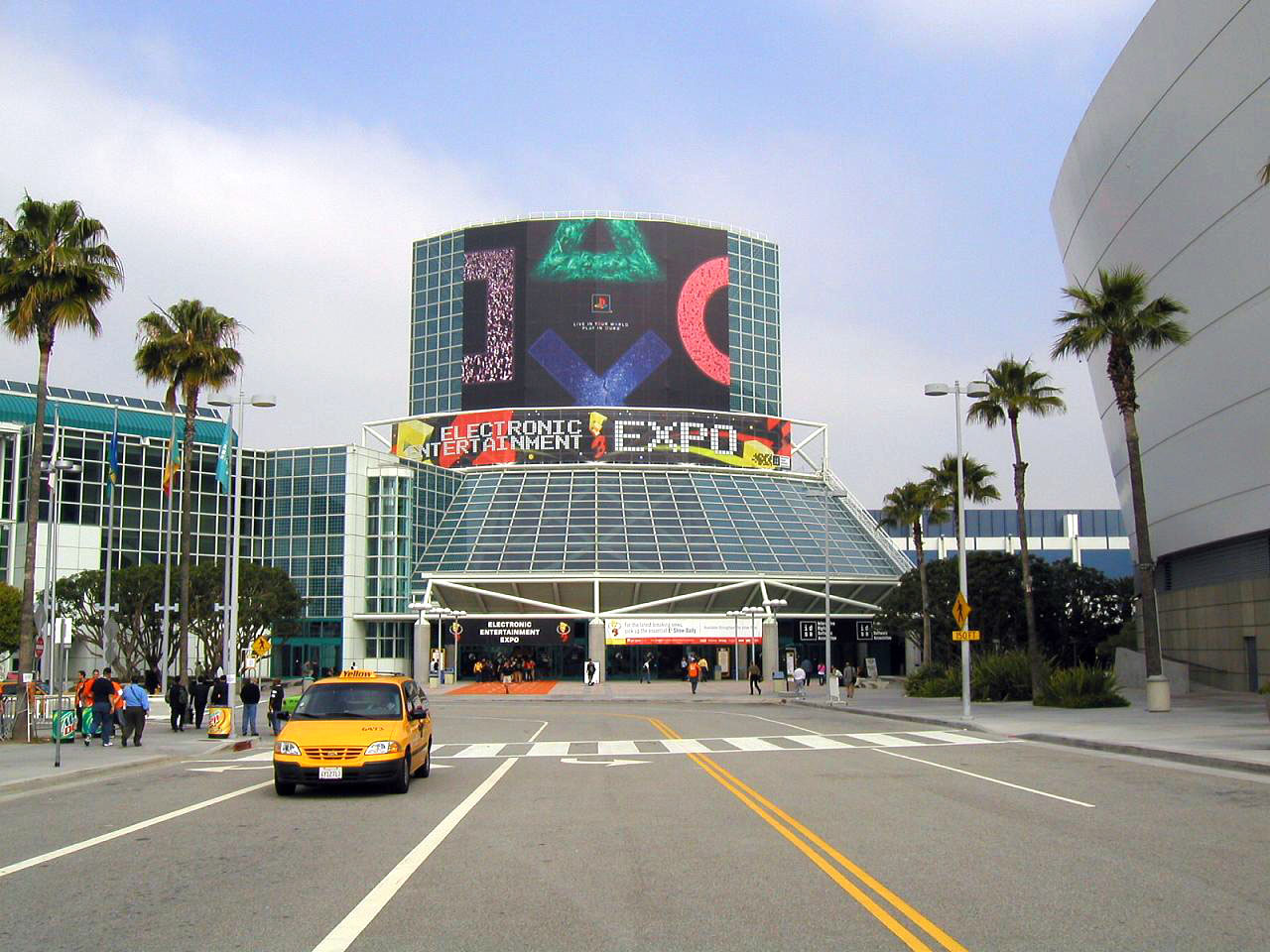
Usually, before this exhibition, there is a press day where different companies hold their briefings for the media. This event is held so that journalists can take photos and familiarize themselves with the companies' exhibits (on such large exhibitions, it's impossible to get through on a regular day).
And so, on May 13, 2003, during the final part of the Sony briefing, Ken Kutaragi appeared on stage and "dropped a bomb."
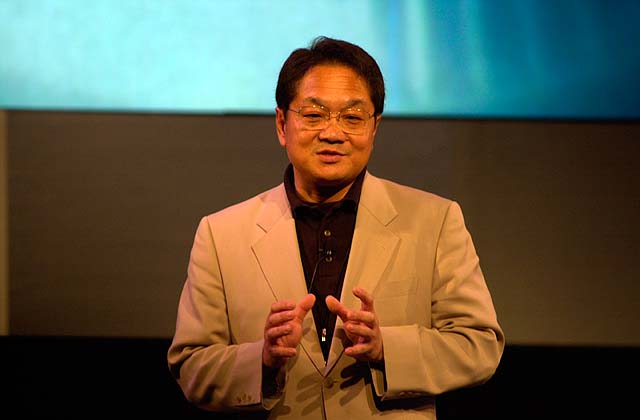
He announced that at the end of 2004, in honor of the 10th anniversary of the PlayStation platform, a new "child" would appear in this family – the PlayStation Portable.
It's a bit strange that the console itself wasn't shown, but technical details were announced:
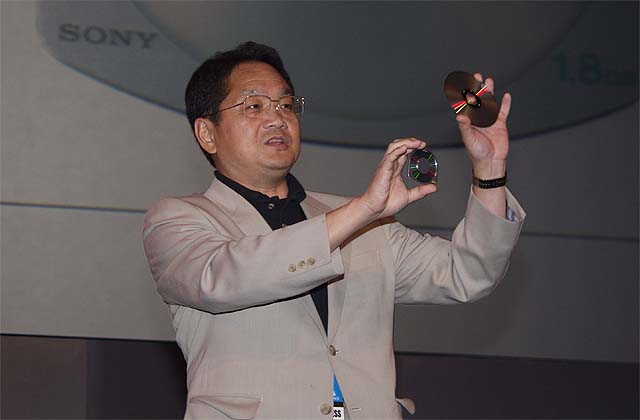
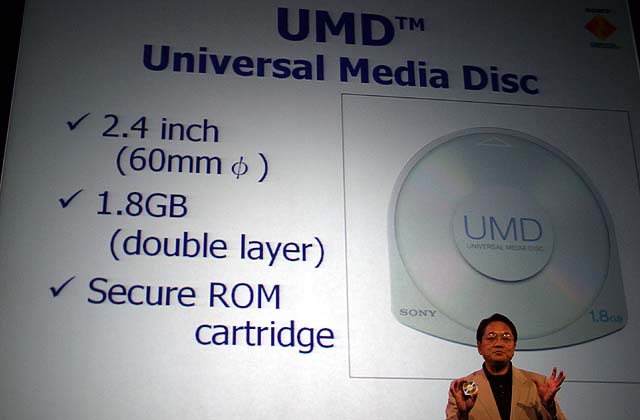
1. The PSP would be able to run special UMD discs with a capacity of 1.8 gigabytes (with a size of 6 centimeters – that's a very impressive capacity);
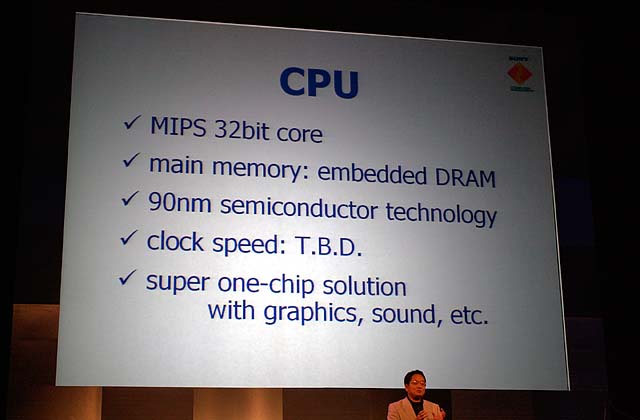
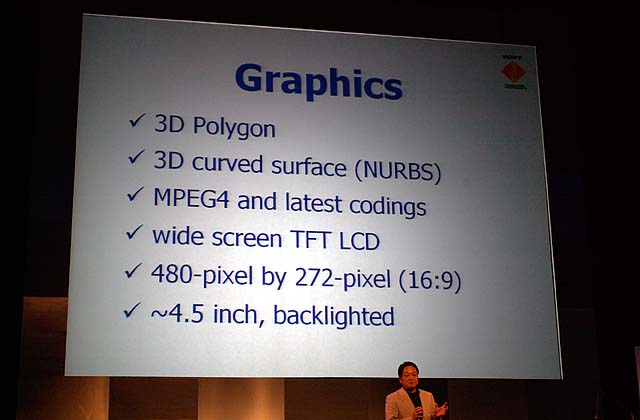
2. The console ran on a 32-bit MIPS processor, made using a 90-nm process, and had a screen with a resolution of 480x272 pixels in a 16:9 format;
3. It had a USB port and a rechargeable battery.
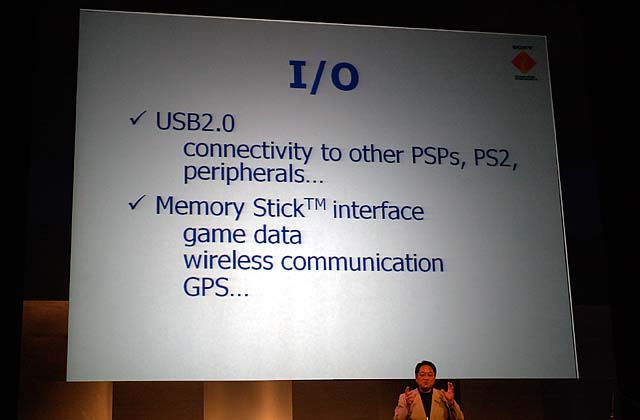
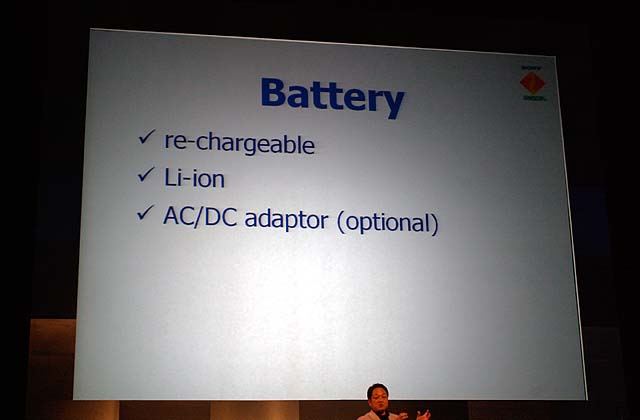
At the end, Ken Kutaragi said that the PSP is the Walkman of the 21st century.
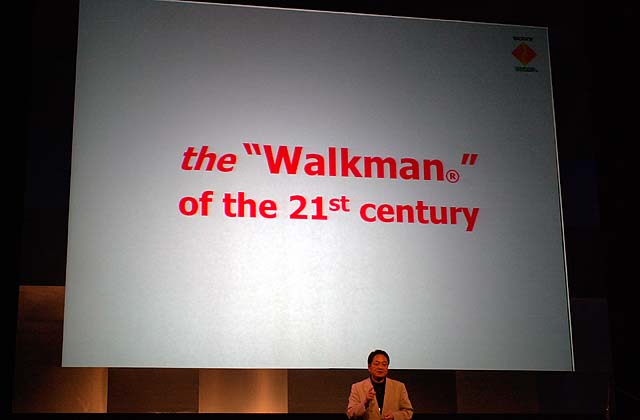
That is, the PSP was positioned not just as a console, but as a true multimedia device for games, movies, and music.
This news simply exploded on the internet. And if ordinary users were in anticipation, there was one company for which this announcement was like a bucket of cold water. I'm talking about Nintendo. Imagine that the final part of the Sony briefing radically changed the entire strategy of a portable giant like Nintendo for decades to come. And it was thanks to the PSP that the Nintendo DS came out in the form we know it today. You can find out more in the article: "History of Nintendo DS".
Console Development
Let's get back to the development of the PSP. I tried to find any information preceding this Sony briefing, but nothing came up. It seems like they managed to keep all the information about the PSP completely secret. However, everything turned out to be much simpler: the PlayStation Portable started development literally at the same time as this briefing was taking place.
At least, that's what Izumi Kawanishi said – a key figure in the development of PlayStation 2 and PlayStation Portable hardware.

Yes, Sony had been thinking about a portable console for a long time, and Izumi himself always wanted to develop one, but he was not satisfied with the technical capabilities of the chips of those years. Sony's main idea when developing a portable console was encapsulated in the phrase: "It would be nice if you could take the PlayStation outside."
This, by the way, fully reflects the differences in the philosophy of the two console giants: Sony and Nintendo. If Nintendo developers always used weak hardware for their consoles and focused on gameplay, Sony, on the contrary, took more powerful hardware and made their games with more interesting graphics.
But the problem was that Sony themselves did not want to make a weak portable. They believed that people were used to the PlayStation 2, and if they released a portable PlayStation 1, it would not please either game developers or buyers.
Somewhere in 2003, they realized that the idea of a PlayStation in your pocket was quite feasible, and work on the console began.
When developing any console, you first need to decide on the screen size. And here's where the most interesting thing happened.
At that time, the main image format was 4:3. All consoles of those years were like that (or close to that format). But Sony assumed that in the future, the 16:9 format would be used. That is, a wider format.
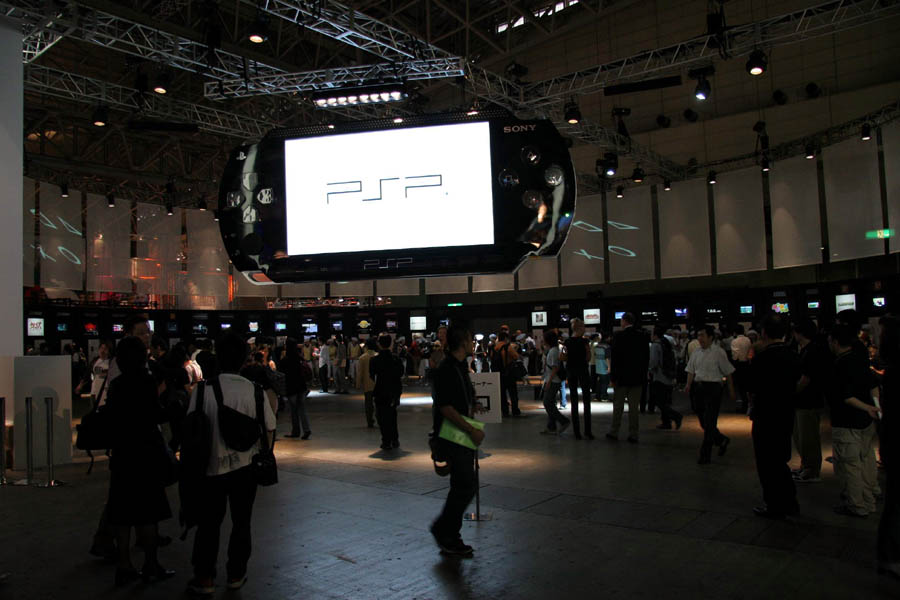
Look at how wide the PSP screen is and how cool it looks compared to old consoles.
Sony guessed right! As of 2024, the 4:3 format is the domain of retro games and old movies.
After that, they started testing what screen size would be the most comfortable for gaming and settled on 4.3 inches (10.92 cm).
However, such a screen caused problems: the PSP is like a sandwich, with a large screen in the front, a motherboard in the middle, and a UMD drive in the back. The PSP developers had to work very hard to fit everything into 23 millimeters. It took a whole year.
Another problem was the development of a chip for multimedia capabilities. Given the limited time, it was not possible to combine everything into one universal processor. That's why the PSP has two 333 MHz processors. By the way, initially, the processor's power was limited to 222 MHz, and only in firmware 3.5 was this limitation removed.
For understanding: the second processor, responsible for multimedia capabilities, had, for example, a built-in MPEG-4 hardware decoder, while the gaming processor had a rendering engine and surfaces. So they are not identical.
Console Design
Remember I said that the console wasn't shown at E3 2003? That's because the console design was only started in July 2003, when Shinichi Ogasawara joined the project.

Shinichi Ogasawara
The problem was that until early 2004, Ogasawara didn't know the exact specifications of the console (meaning, for example, which buttons were needed, not the technical specifications). So he drew different console concepts. One of these concepts was presented by Ken Kutaragi in New York on November 4, 2003.
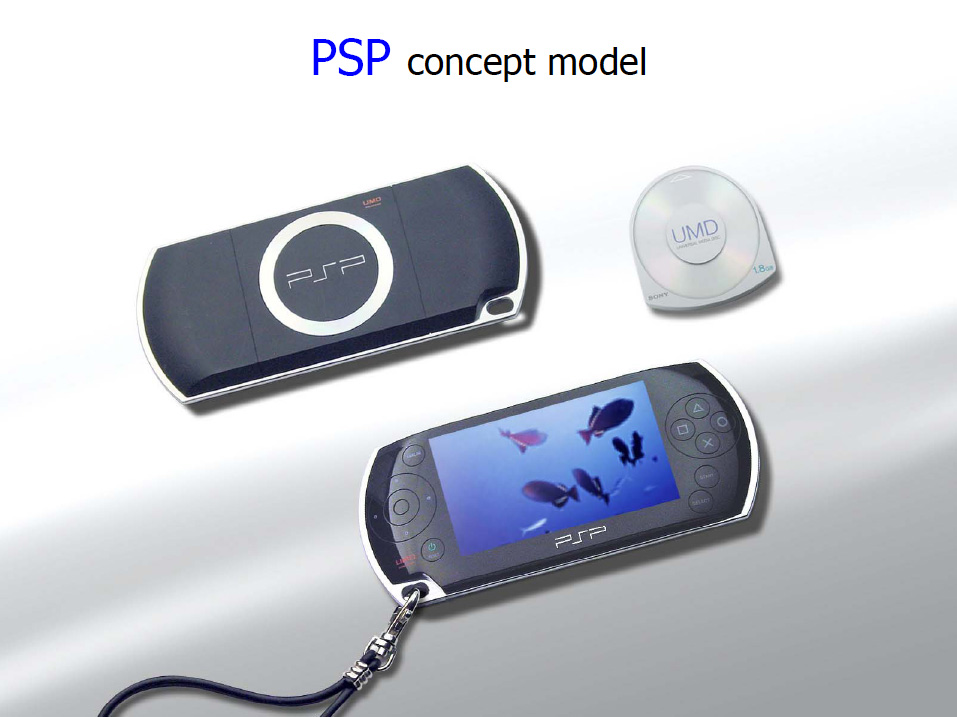
I'm not sure if these buttons would be comfortable to press, but in any case, it's an extremely interesting concept. Initially, I thought it was just a drawn picture, but it turned out that this concept was actually made in real life.
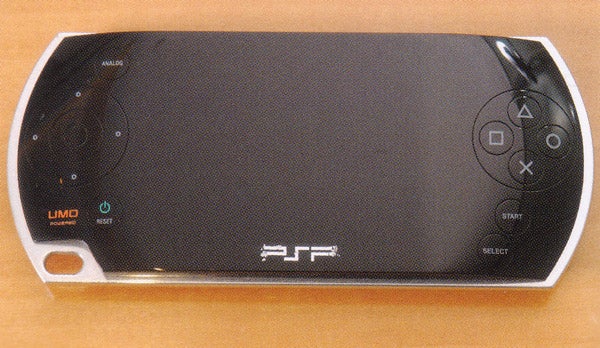
But did you notice that something is missing here? I'm talking about the analog stick, which eventually appeared in the PSP. The funny thing is that it was added only because it was already in the PlayStation 2. Moreover, I still don't understand why Sony didn't add a second analog stick on the other side.
Izumi Kawanishi said that because of the second stick, the front panel of the PSP would have too many buttons, and you would get confused. It sounds a bit absurd.
By the way, thanks to the PS2, the amount of RAM for the console was also determined. The PSP developers thought that since PS2 games run on 32 MB of memory, then 32 MB would be enough for the PSP. This is interesting because Izumi says that they themselves decided to make this amount of memory. But Masayuki Chatani (technical director of SCEI) in his interview said that initially, the PSP was planned to have 8 MB of RAM, but game creators started bombarding Sony with requests to increase the memory to 32 MB. In the end, Sony agreed to the developers' demands.
But let's get back to the console's appearance. The very design of the console that we all know was first presented at the Sony briefing before E3 2004. Did you notice that from the time Ogasawara started working on the design (early 2004) until its presentation (May 2004), only 4 months passed? And most likely, even less time passed, because the console still had to be manufactured.
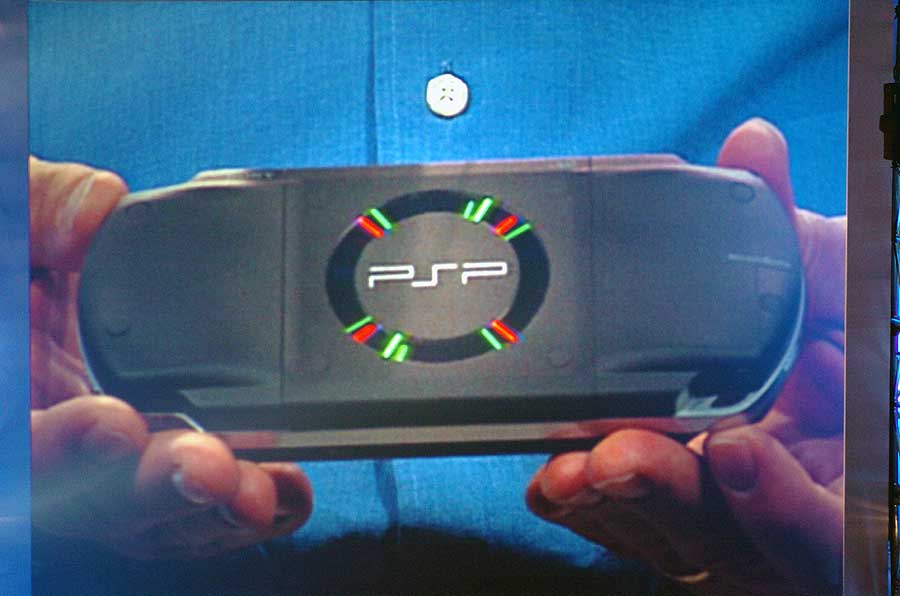
As in 2003, the main announcement happened at the very end of the briefing. Kazuo Hirai (head of SCEA – Sony Computer Entertainment America) took the stage and showed the PSP.
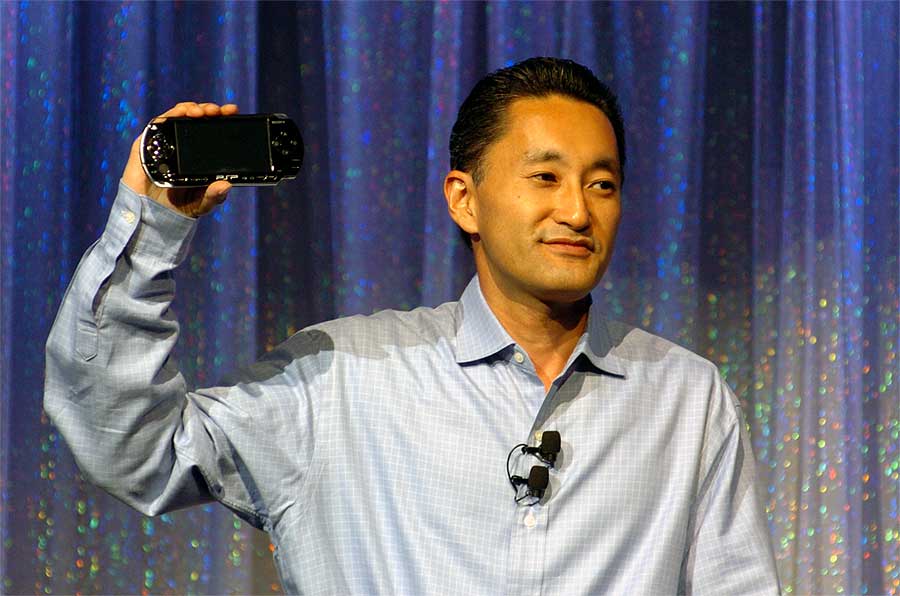
The console's appearance was revealed in detail:
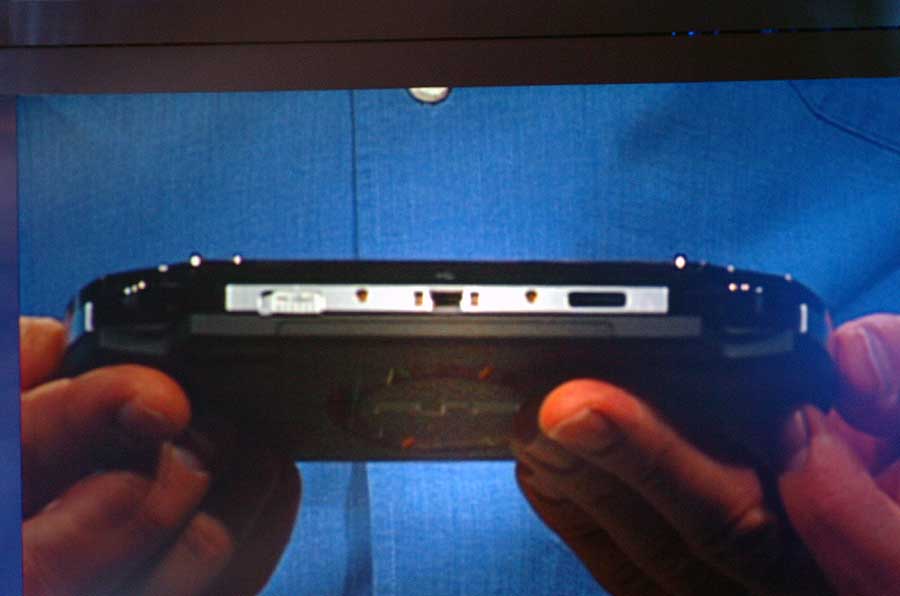
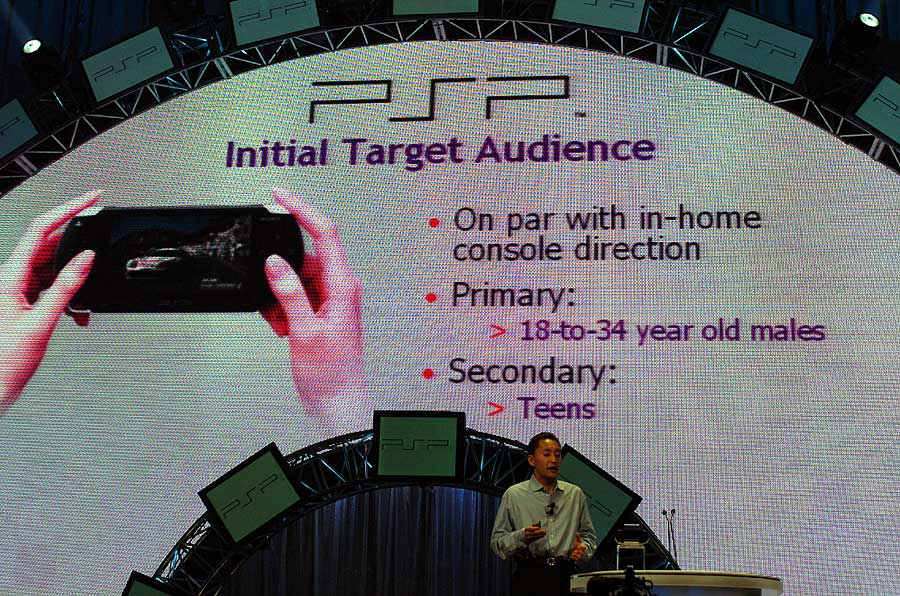
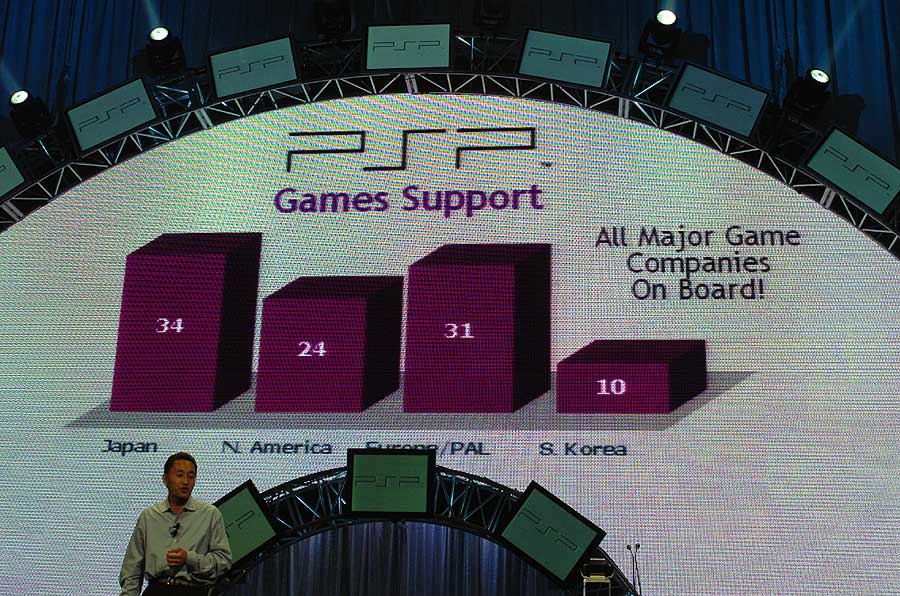
According to Sony's plan, the main audience for the PSP would be male users aged 18 to 34. And about 100 companies worldwide were working on games for the console.
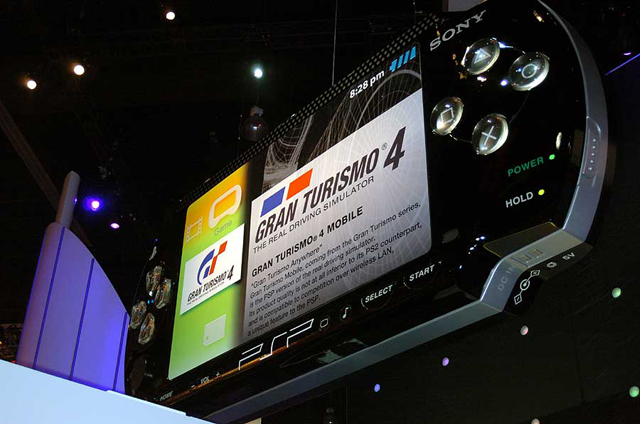
And at the E3 2004 exhibition, you could already touch the consoles and even play. Sony made a great effort to decorate their booth and made huge PSP models.
In total, 6 models were presented, which could be touched and played with.
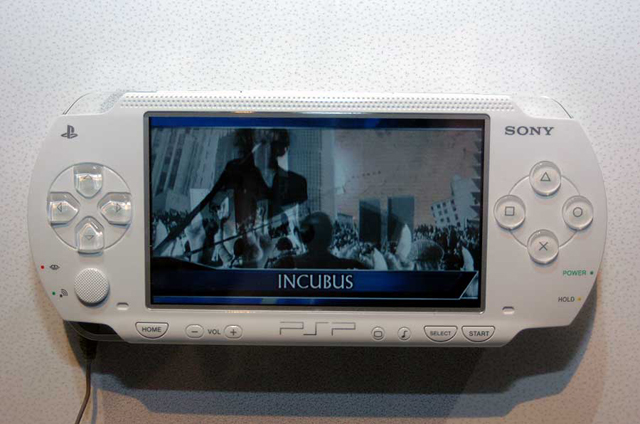
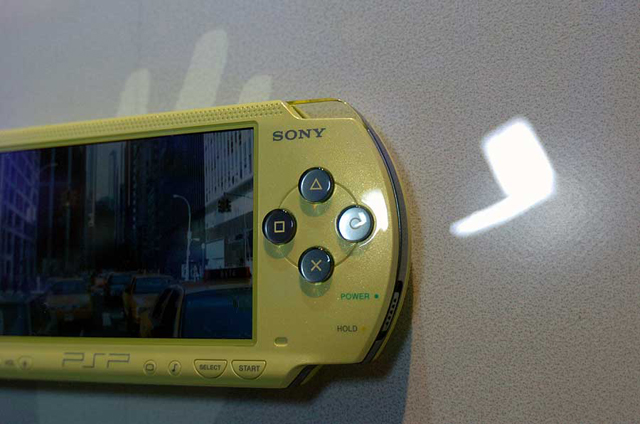
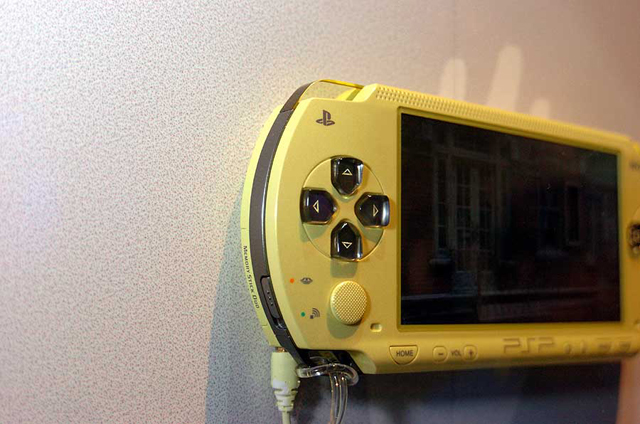
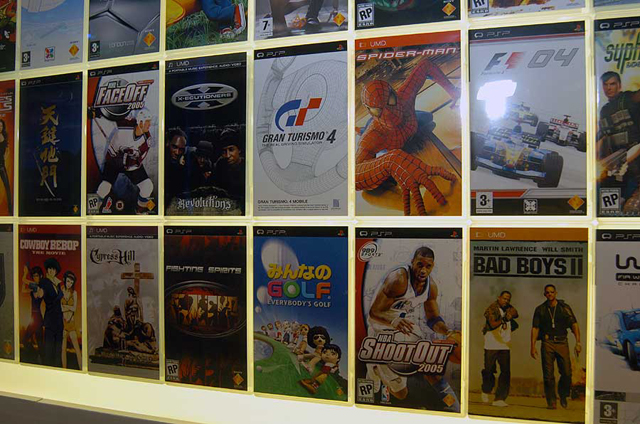
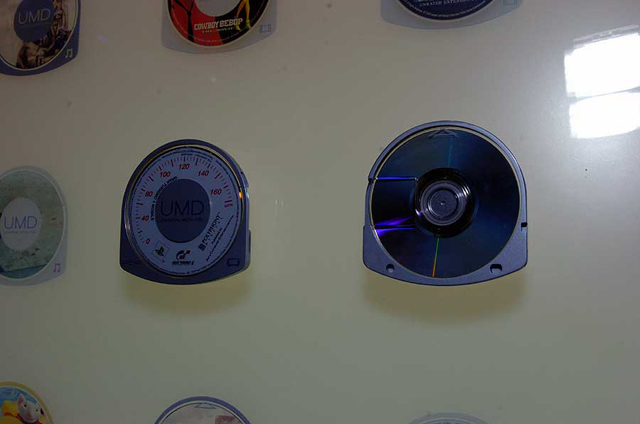
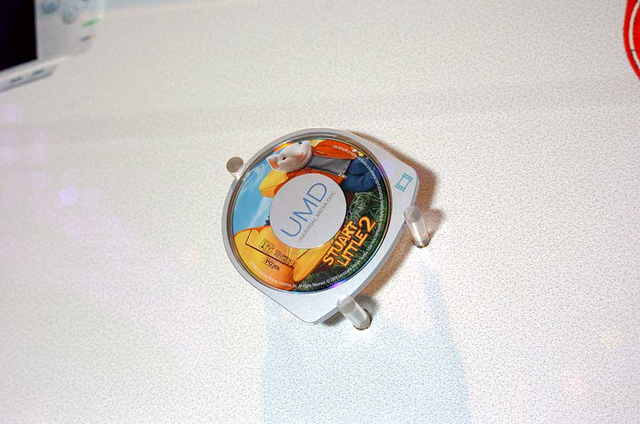
Many different UMD discs were also shown.
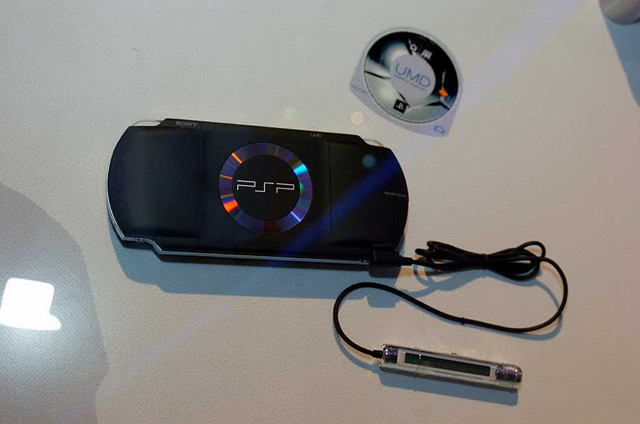
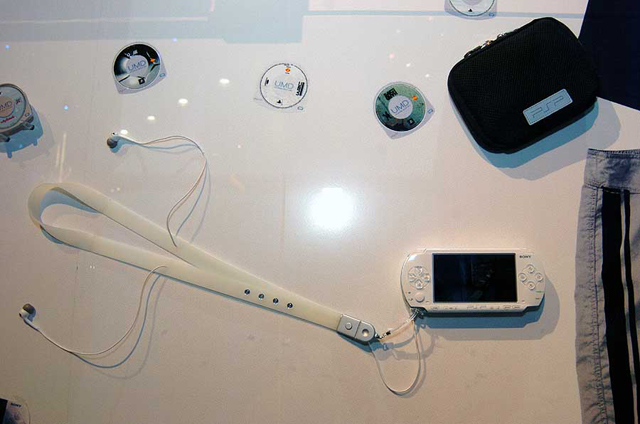
And various accessories. The first photo shows a remote control. The second shows a strap. The third shows an external battery.
Interestingly, at E3 2004, not only the PSP was shown, but also the Nintendo DS. After that, the media went crazy. All magazines published comparisons of these two consoles, and there were heated debates online about which console was better.
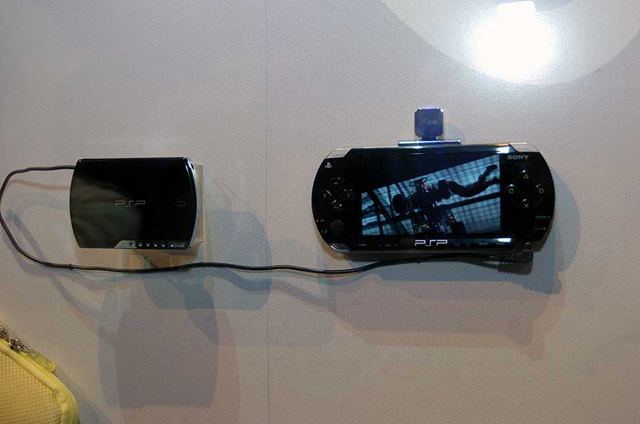
I would like to separately mention the Tokyo Game Show 2004 exhibition. There were 44 booths with consoles. But the most interesting thing was that these PSPs did not have a UMD drive! They were connected with cables that went somewhere into the wall.
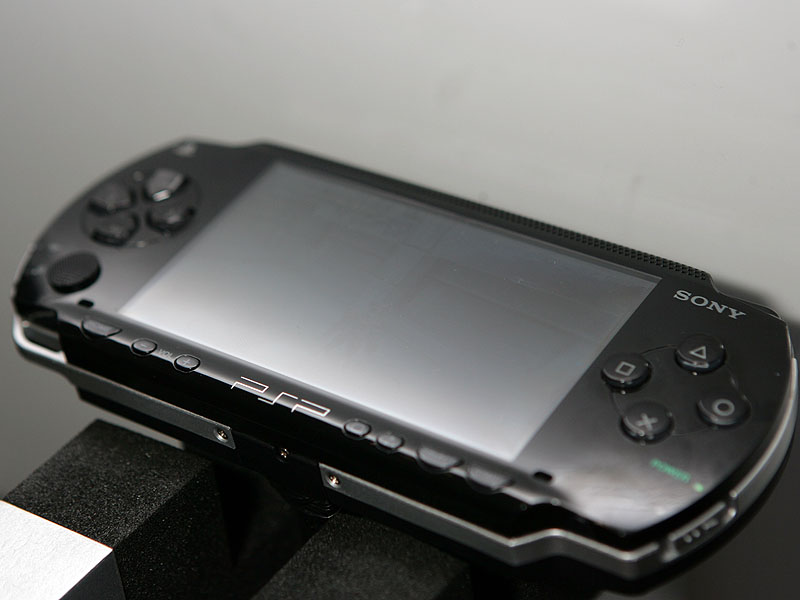
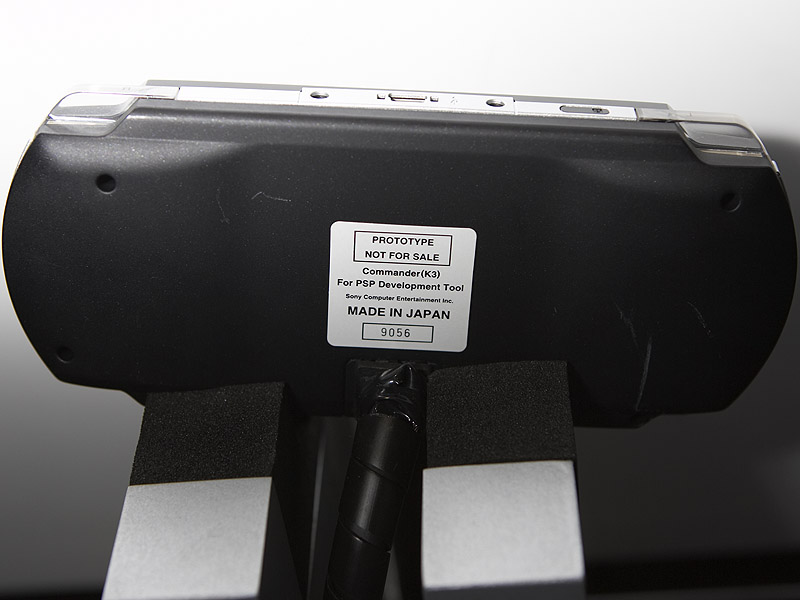
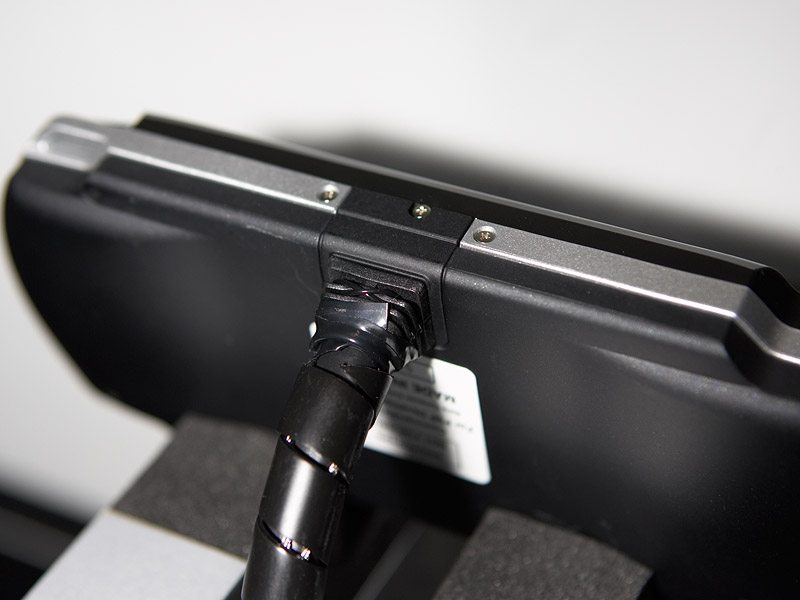
Sales Launch
And so, on December 12, 2004, sales of the PlayStation Portable began in Japan.
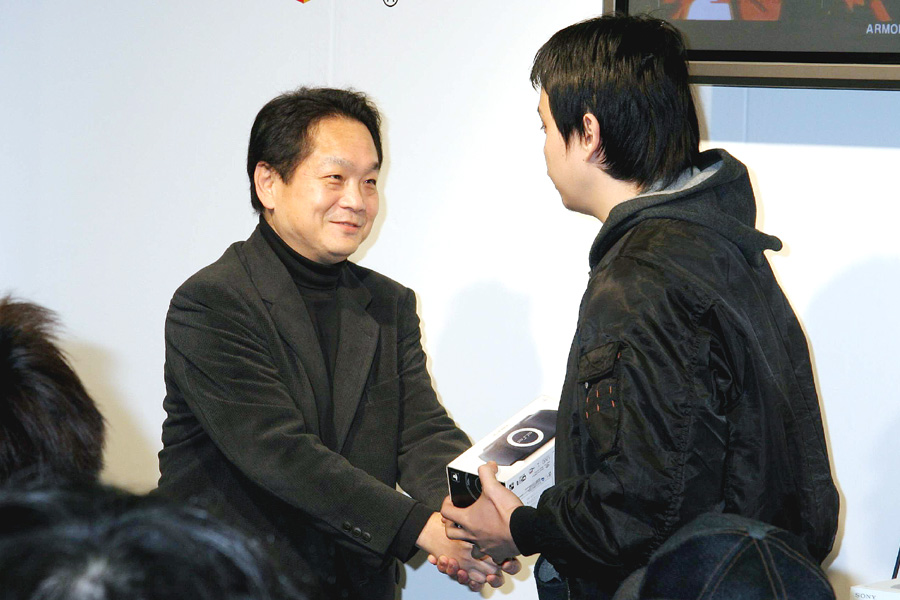
It all started at 6 a.m. at the Yodobashi Camera store. The sales launch was scheduled for 6 a.m., and Ken Kutaragi himself stood at the store's cash register.
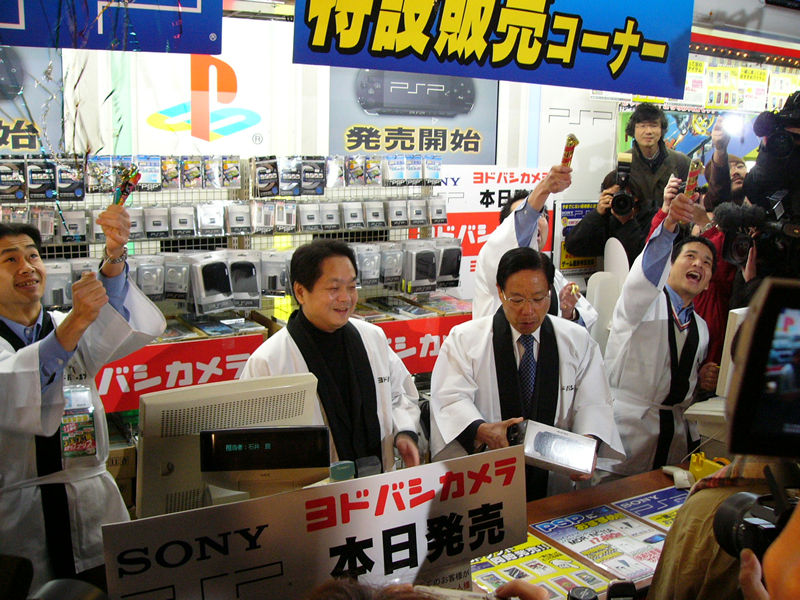
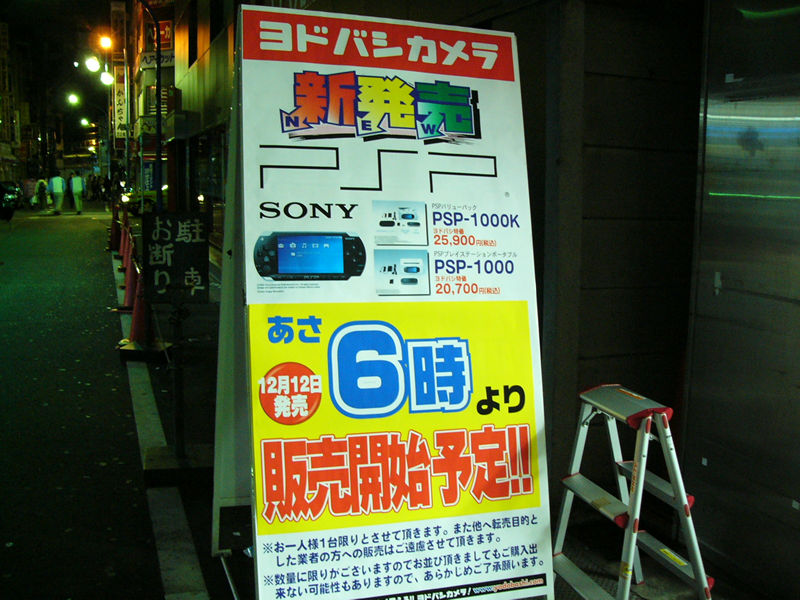
The standard kit cost 20,700 yen, and the extended kit cost 25,900 yen.
More than a thousand people lined up. Right in the middle of the night, they started handing out purchase tickets, but with the condition that if they left the line, the ticket would be forfeited.
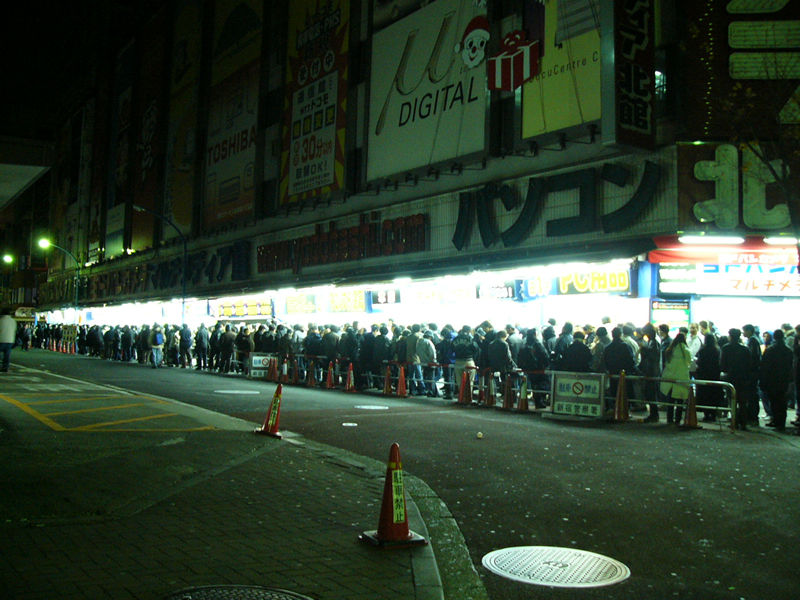
Additional cash registers were installed in the store. Many were afraid that there wouldn't be enough consoles, but their fears were unfounded; there were enough for everyone.
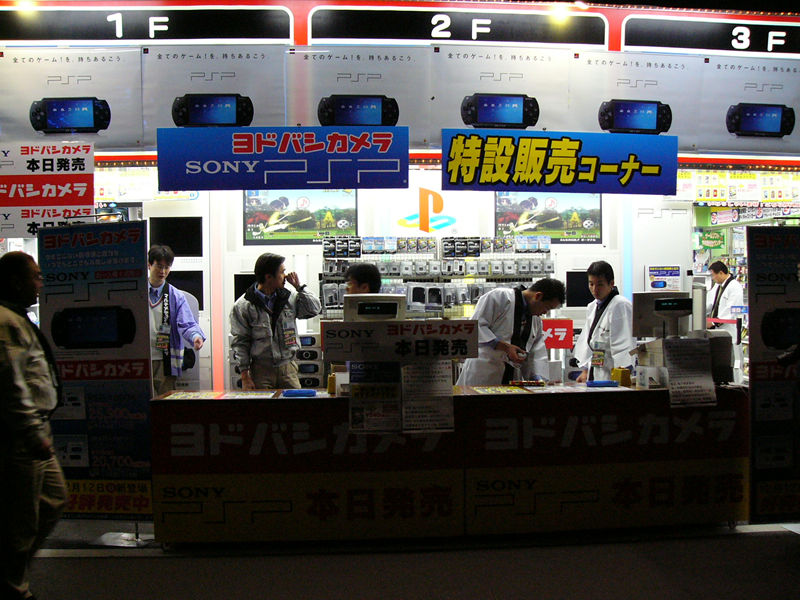
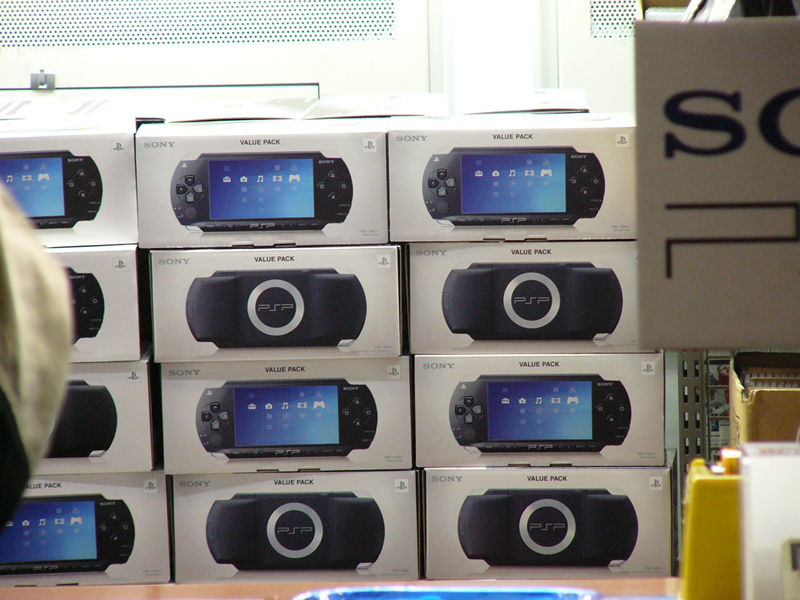
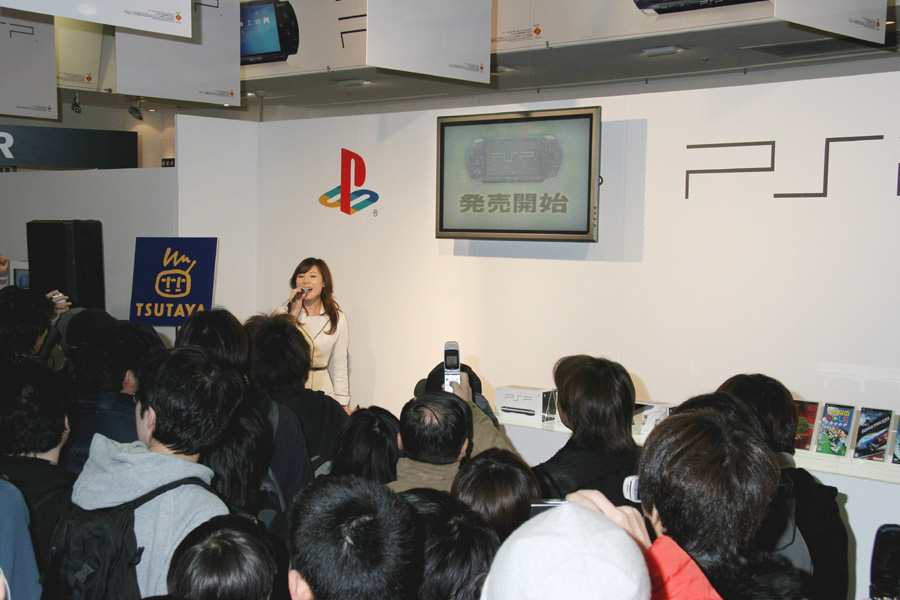
After such a sales launch, Ken Kutaragi moved to the Shibuya Tsutaya store.

The store itself was beautifully decorated, and the screen showed various game demos.
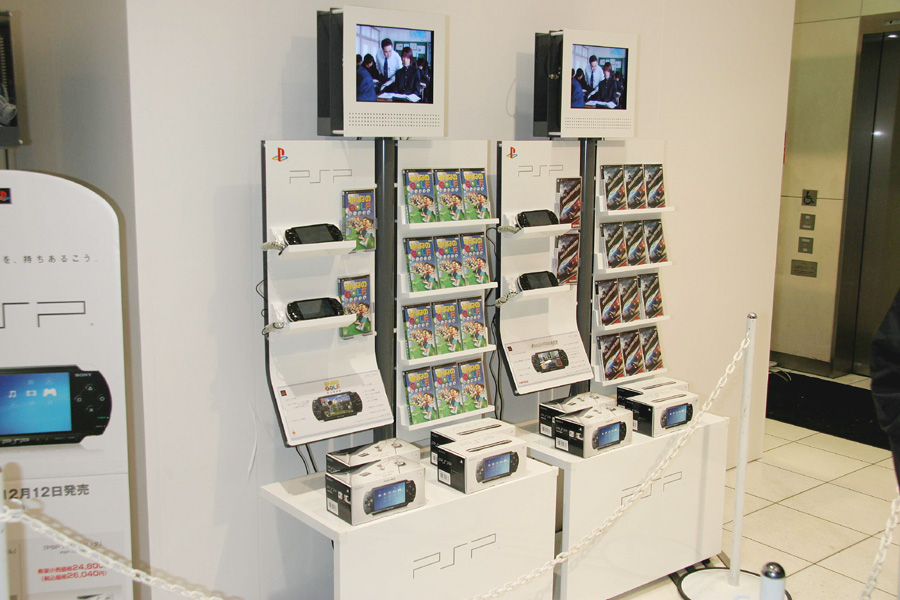
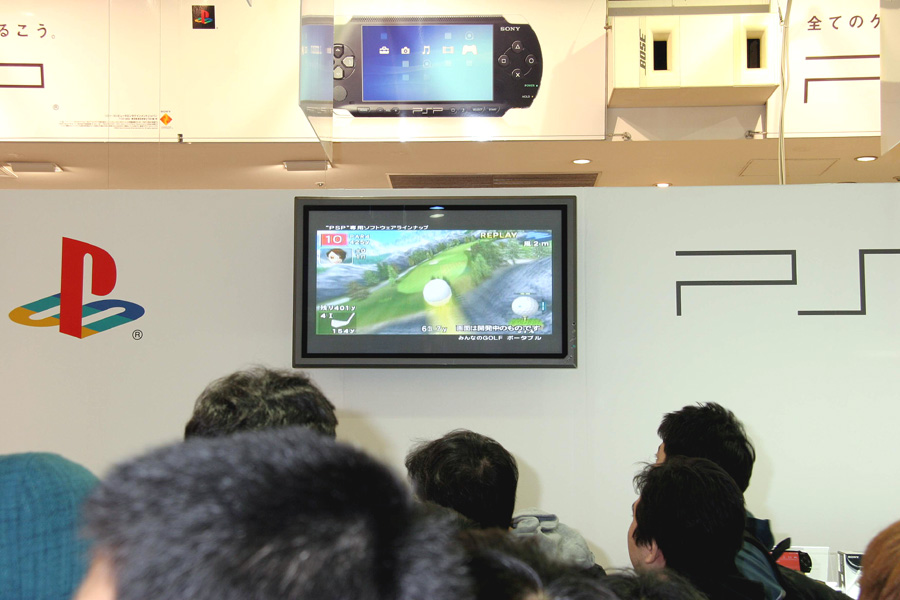
The first person took the queue as early as 7 p.m. the previous day. And by 6:30 a.m., the queue stretched far.
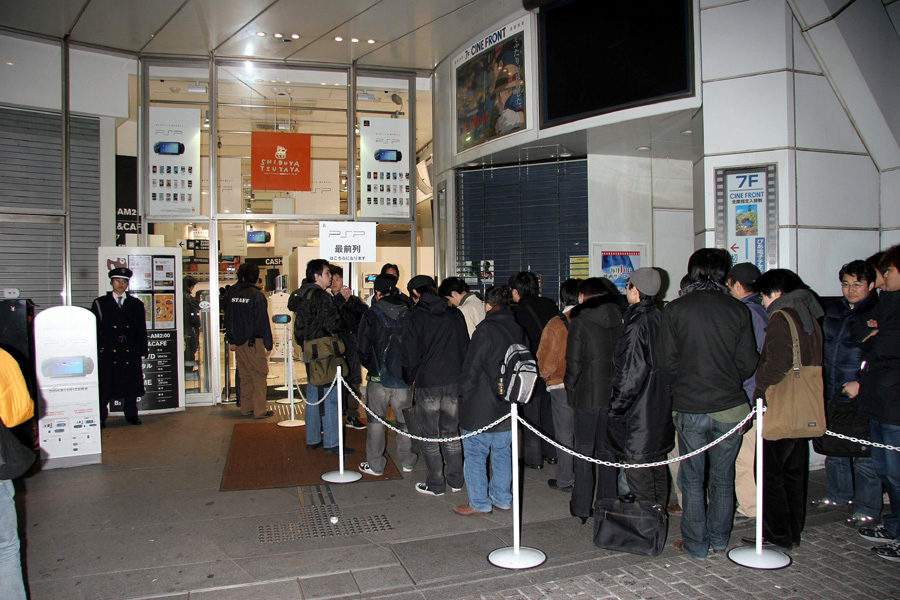
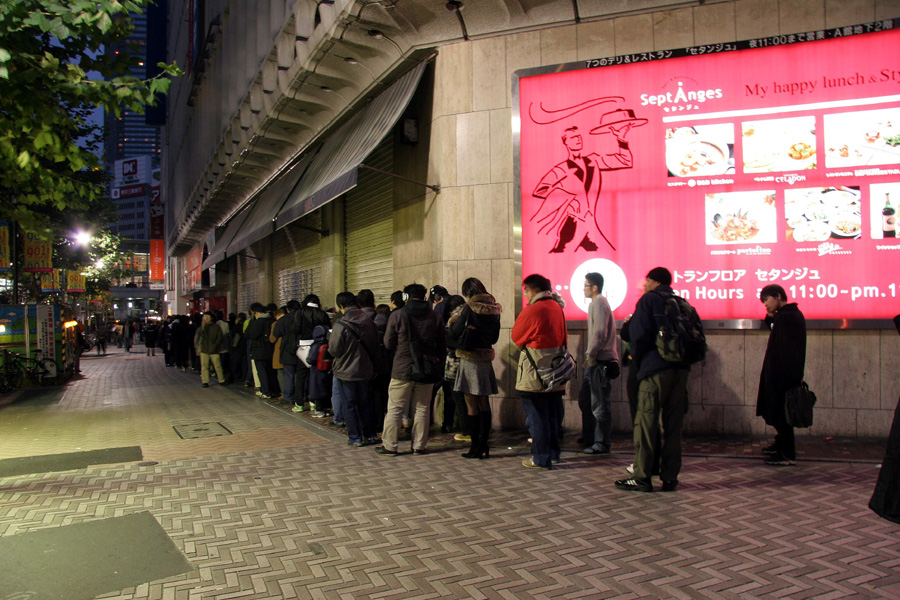
The sales launch was scheduled for 7 a.m. And 10 seconds before, the countdown began.
Kutaragi himself handed the first buyers their consoles and shook their hands.
Epilogue
Sony succeeded in everything they wanted. Their first portable console immediately became popular. Yes, total sales were half that of the Nintendo DS, but it was still a grand success.
Sony's contribution to the development of portable gaming is not hard to appreciate. Not only did they make such a cool console, but they also gave Nintendo such a kick that they didn't release a cheap knockoff like the Game Boy Advance 2, but a real monster – the Nintendo DS.
It turned out that it was Sony with their PSP that was destined to give a new boost to the entire portable gaming industry.
Who knows, maybe Sony will be able to return to this world again?
Read the continuation in the article: History of PlayStation Portable. Part 2. PSP-2000.

 РЕКЛАМА:
 «ООО АЛИБАБА.КОМ» (РУ),
ИНН: 7703380158