Table of Contents
The History of PlayStation Portable. Part 2. PSP-2000
Friends, there’s a new article on the site: EZ-Flash Air Review: Features, Limitations, and Comparison with Other Models.
ChisLink - a revolution in the GBA world.
Friends, AliExpress now has:
Cool metal labels for Game Boy Advance consoles. Important: the OMEGA series will no longer be produced — it is being replaced in the lineup by the EZ-Flash Air.
Cool eXtremeRate cases for GBA SP.
Friends, help me buy (if you have) various old stuff: Help me buy.
The History of PlayStation Portable. Part 1. PSP-1000
The History of PlayStation Portable. Part 2. PSP-2000
The History of PlayStation Portable. Part 3. PSP-3000
The History of PlayStation Portable. Part 4. PSP GO
The History of PlayStation Portable. Part 5. Final
The previous article ended with the start of sales of the PSP-1000, or as it was later called, the "fatty" (chubby). Let's look at its sales results after a year and a half.
On March 15, 2006, an event called "PS Business Briefing 2006 March" was held in Tokyo. It was a closed meeting for developers, analysts, and the press, dedicated to the PlayStation 3 and PlayStation Portable consoles.
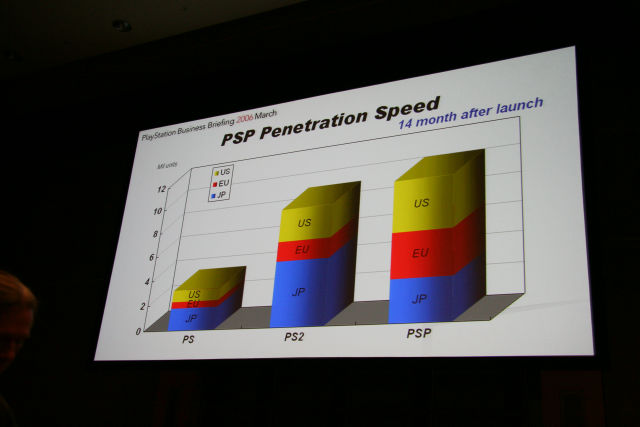
Ken Kutaragi shared some interesting facts about the PSP. Since December 2004, the console had sold over 15 million units worldwide. These results were even better than those of the PlayStation 2 (which sold 10.6 million units in about the same period). This means that users welcomed the PSP quite warmly.
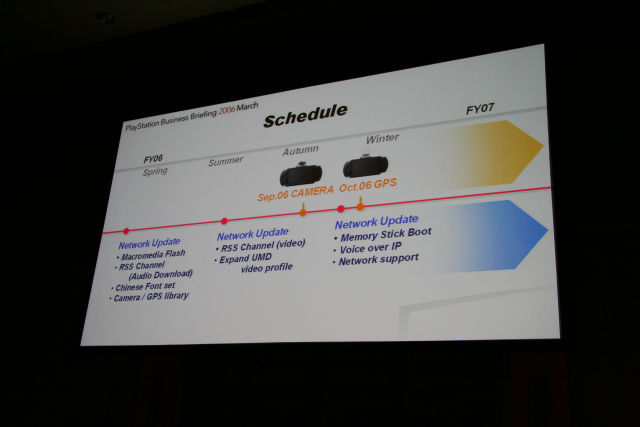
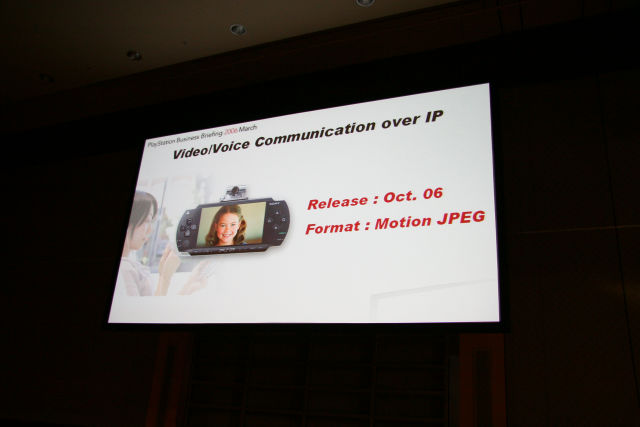
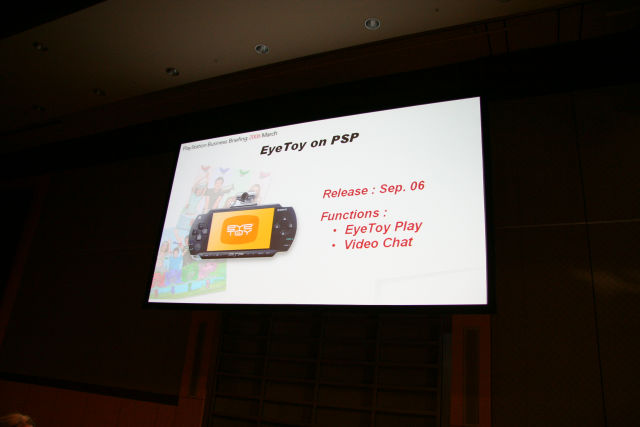
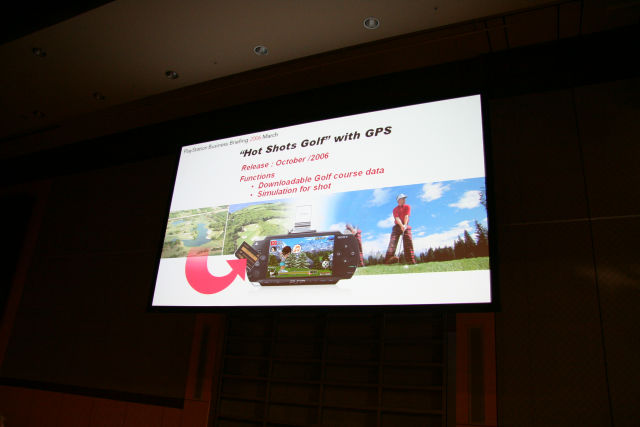
Then Ken announced that new accessories for the PSP would soon be released: a camera and a GPS receiver.
But the most interesting thing was something else. It turned out that the PSP was used much more often at home than on the street (the first columns in both pictures below).
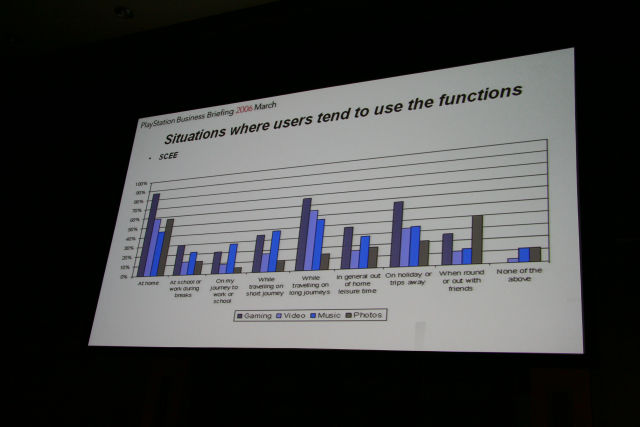
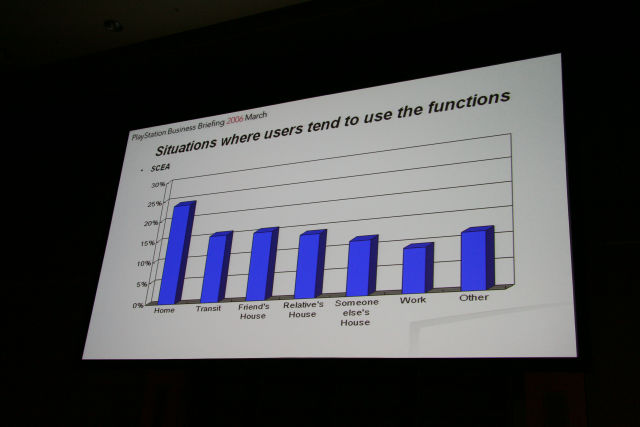
The gap is quite large, especially considering that we are talking about a portable console.
Ken Kutaragi made a simple conclusion: "This may mean that the PSP is a heavy console."
I think this factor was one of the prerequisites for the development of a new version of the PSP. The second factor was the release of the Nintendo DS Lite, which took place on March 2, 2006.
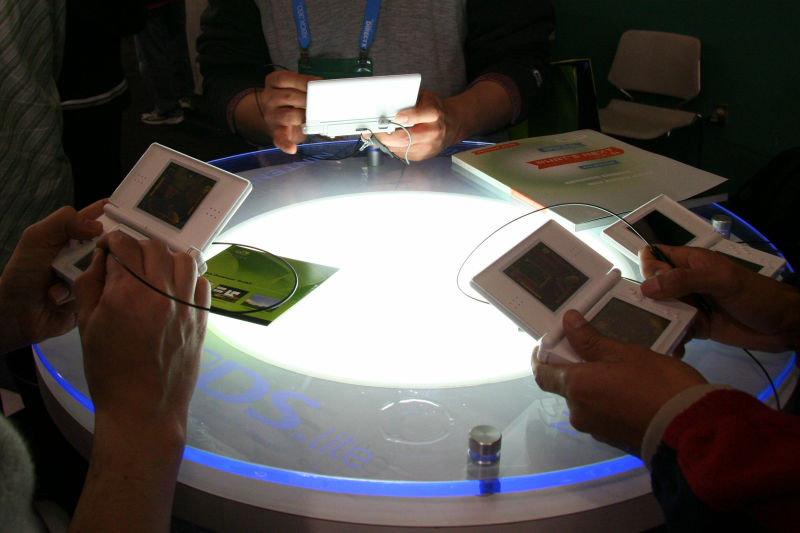
That is, Nintendo understood the shortcomings of the first Nintendo DS much faster and realized that users needed a more portable device. Sony, on the other hand, had to conduct various surveys, see what competitors were doing, and only then did they realize the simple truth – the console needed to be made smaller.
Console Development
The first PSP had two big problems: its large size (and therefore weight) and the long loading times for games.
It was these shortcomings that Sony's developers focused on eliminating. The first thing they did was simplify the UMD drive.
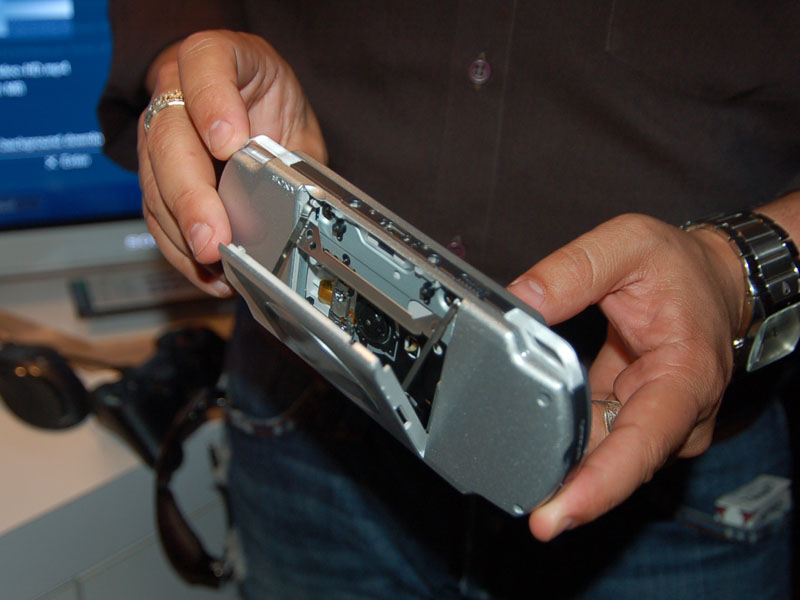
Previously, the PSP-1000 had a slider that you moved to open the UMD drive. Because of this, the console was thicker. Therefore, in the PSP-2000, they removed the automatic opening mechanism and made it manual.
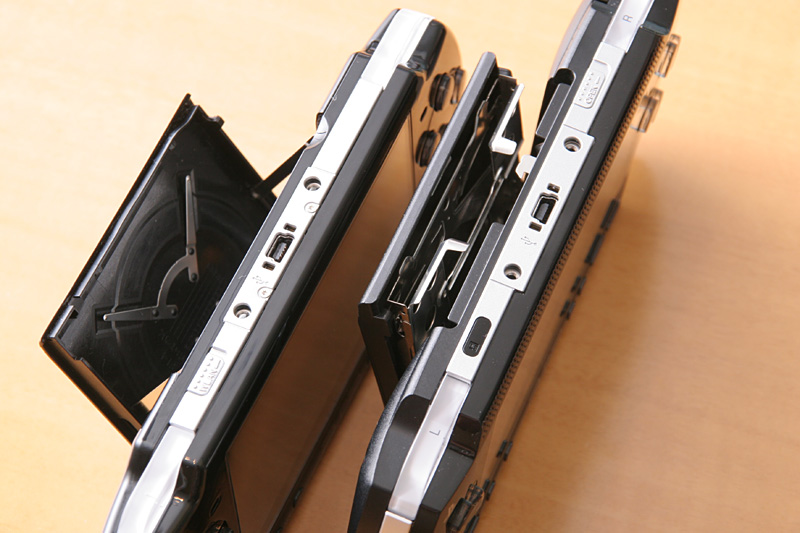
You can see that the UMD drive cover has become smaller.
Then the developers removed the infrared port because it was hardly used.
They also removed the rear bulges that helped hold the console. Because of this, the battery capacity had to be reduced from 1800 mAh to 1200 mAh.
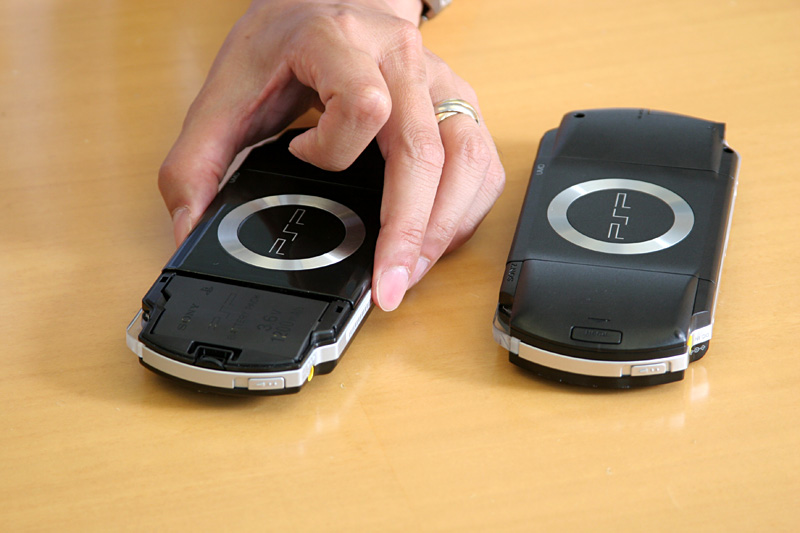
It might seem that this would significantly affect the console's battery life, but, oddly enough, the PSP-2000 runs for the same amount of time.
Then all the components on the board were reduced in size. In fact, according to Naoya Matsui (one of the developers of the PSP-2000), the console's main processor was redesigned and significantly reduced in size. Many other modules of the console were also changed, which reduced the size of the motherboard.
All these factors directly affected the size of the console. It became 33% lighter and 19% thinner. The weight decreased from 280 g to 189 g.
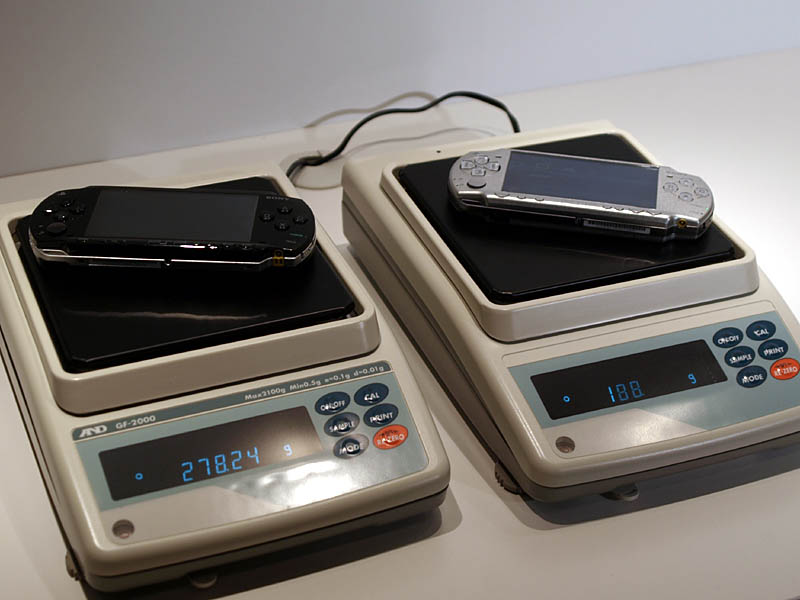
And you can feel it. When you hold the PSP-2000 after the PSP-1000, it feels like a mockup, not a real console.
So Sony dealt with the first problem. As for the second – the speed of loading discs, the developers solved it very simply: they increased the amount of RAM to 64 megabytes and started caching data from the UMD disc there, which significantly sped up game loading.
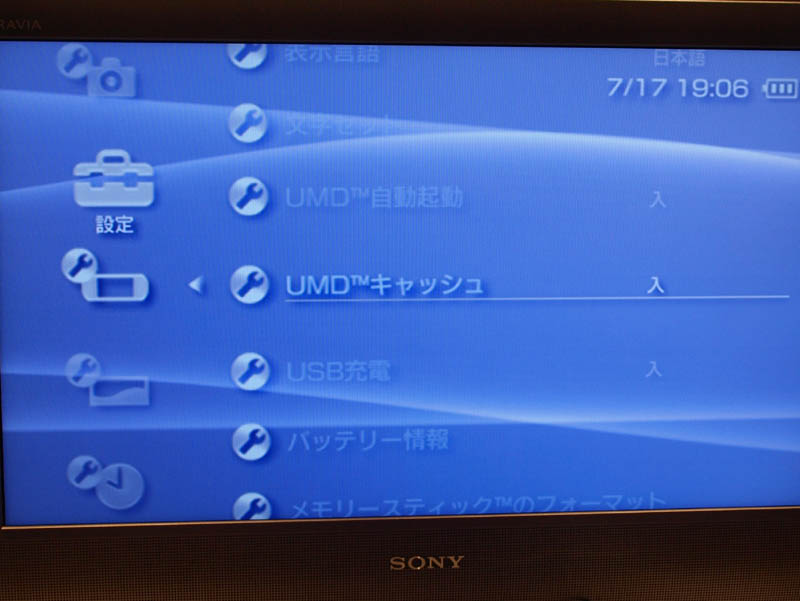
A new feature appeared in the settings - UMD Cache.
By the way, I can't imagine what the game loading speed would have been if the developers had left 8 megabytes of memory in the PSP-1000, as they originally planned.
Let's look at other changes that affected the PlayStation Portable 2000. The most interesting innovation was related to the ability to output the console's image to a TV.
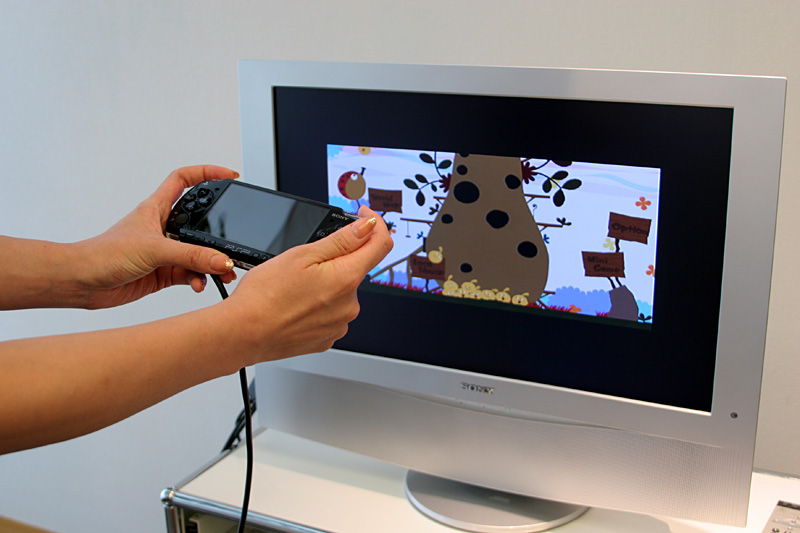
A special cable was used for this.
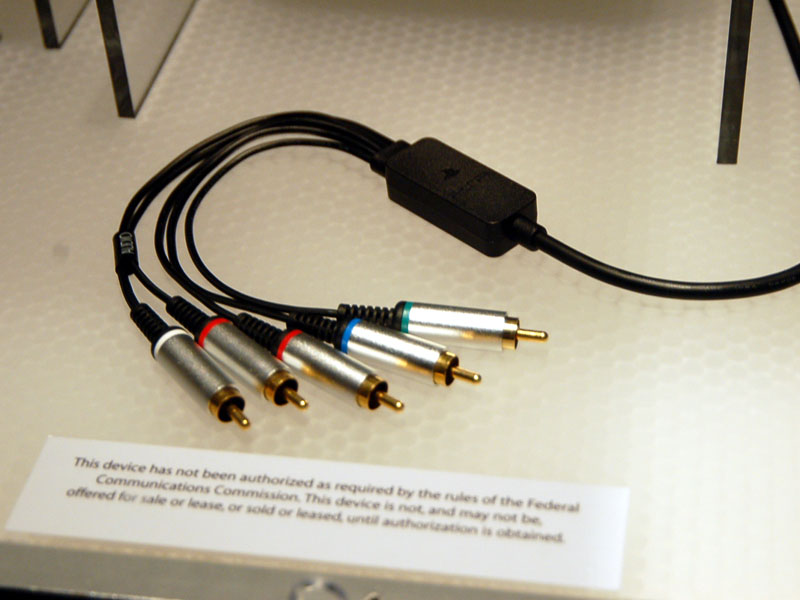
Moreover, there were not one, but four varieties of it:
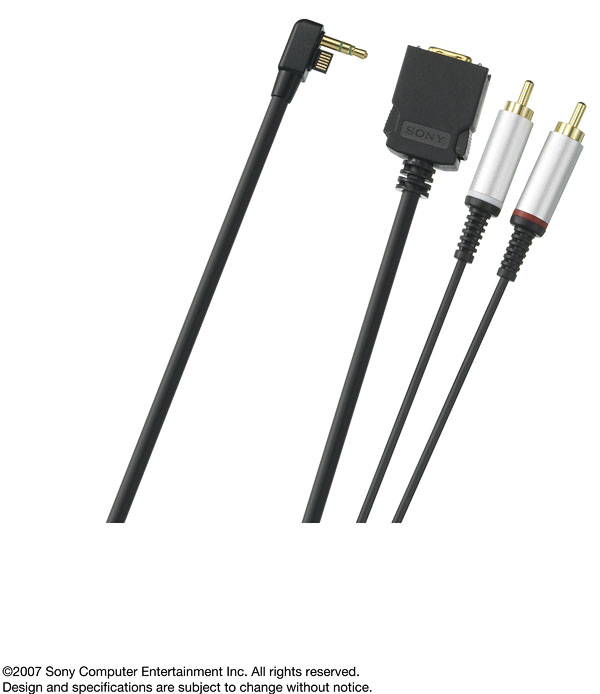
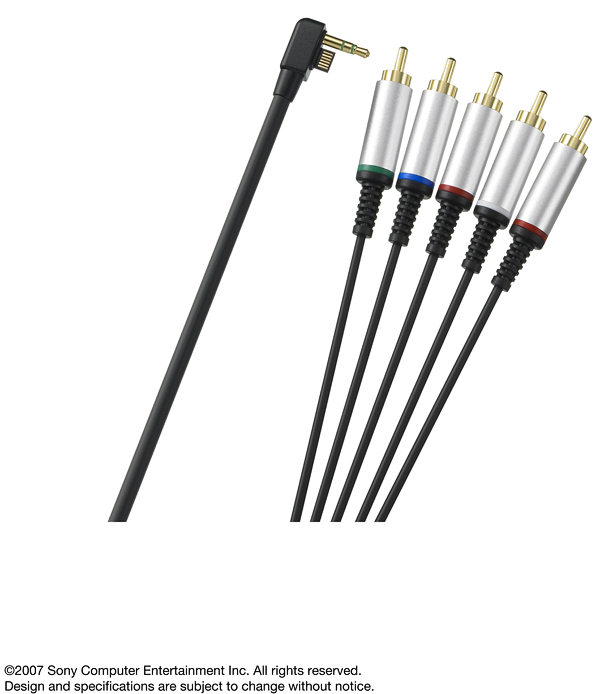
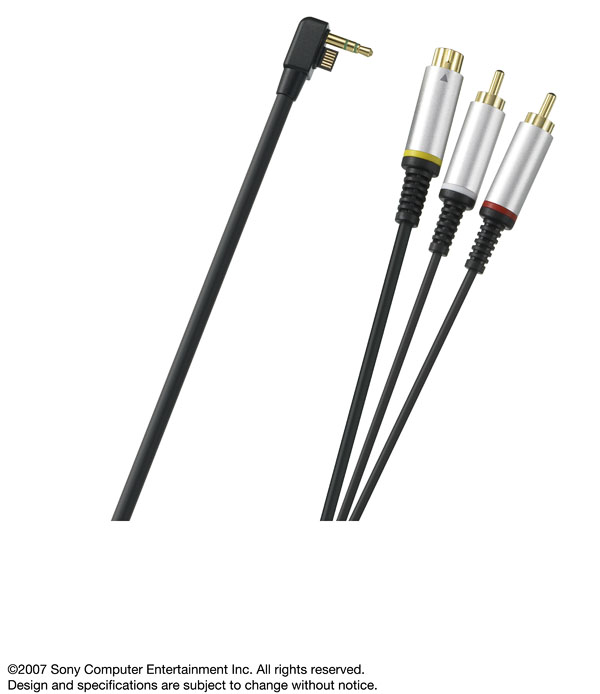
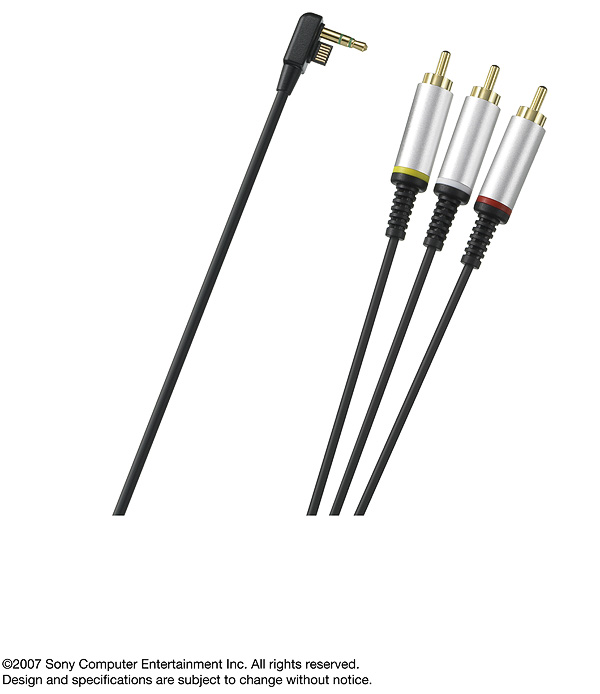
The ability to output images to a TV appeared thanks to two factors. First, there were many requests from customers, and second, movies released for the PSP on UMD discs were recorded at a resolution of 720 by 480 (which corresponded to the DVD standard), but were displayed on the PSP at a resolution of 480 by 272. That is, to output an enlarged image to a TV, nothing needed to be changed, it was enough just not to crop the image.
The location of the speakers was also changed. Previously, they were directed downward from the console, but now they were moved to the front. This meant the sound went directly to the player.
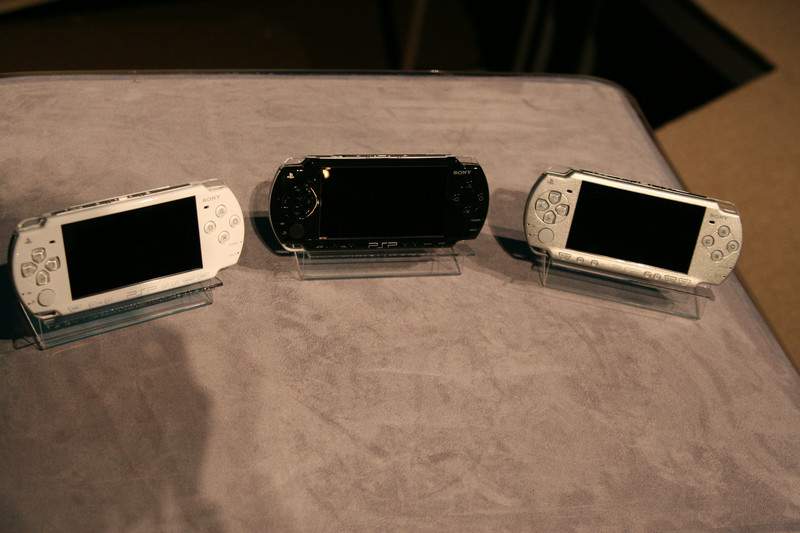
The small holes on the right and left of the screen are for the speakers.
Also, the PSP-2000 could now be charged via the USB port.
The last change concerned the material of the console. It became glossy, and the material itself was changed to make it easier to paint.
Now let's talk about the console's announcement.
Console Announcement
The console was first presented at a press conference dedicated to the opening of the E3 2007 exhibition.
Kazuo Hirai introduced the new console to the public – the PSP 2000.
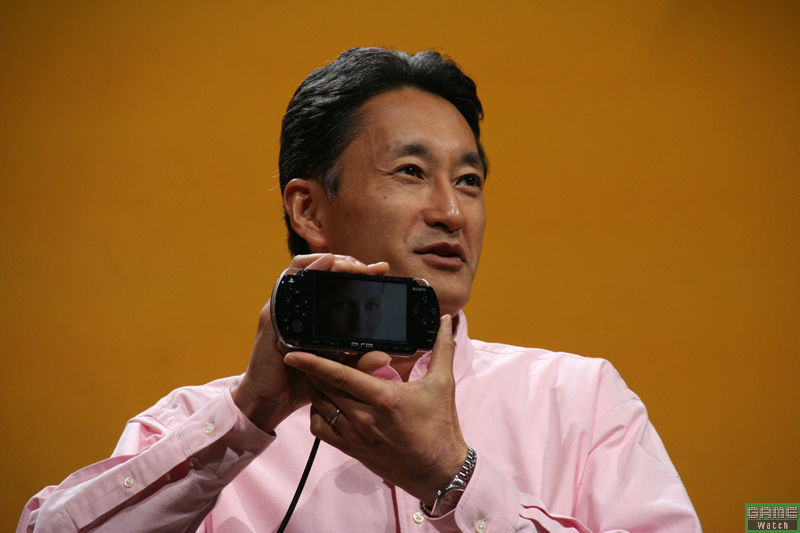
He showed the console and talked about all the changes (which we discussed above). He also announced the new price for the PSP. It was now $169.99, which was about $30 cheaper than the previous model.
New hits were also presented: Star Wars Battlefront Renegade, God of War Chains of Olympus, and Patapon.

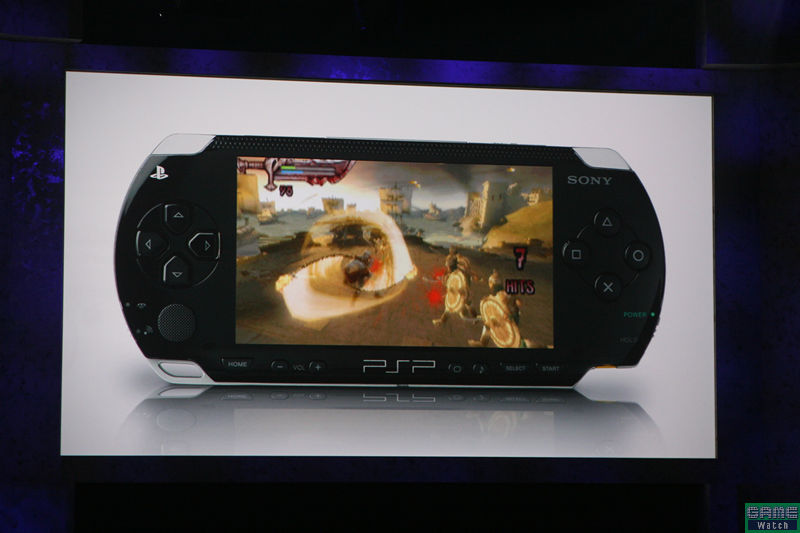
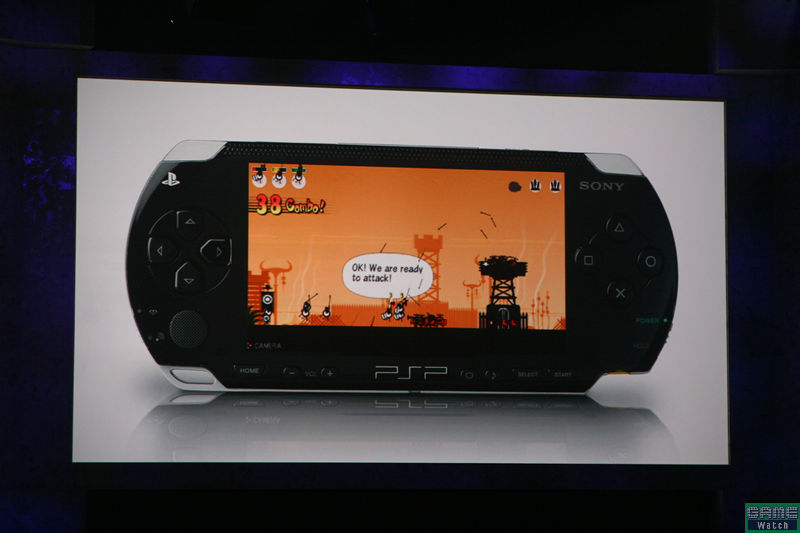
And of course, there was a large exhibition at E3 itself.
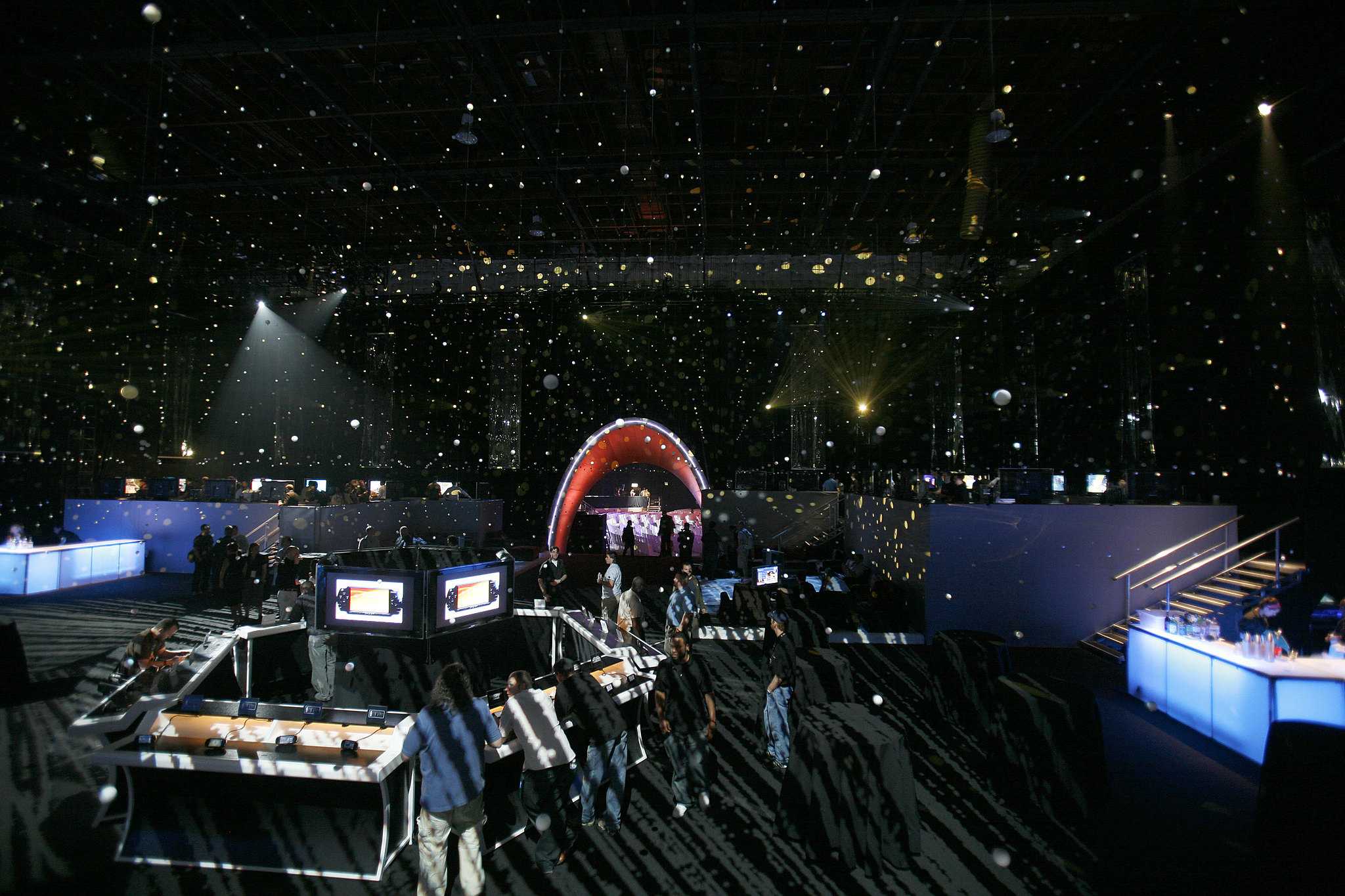
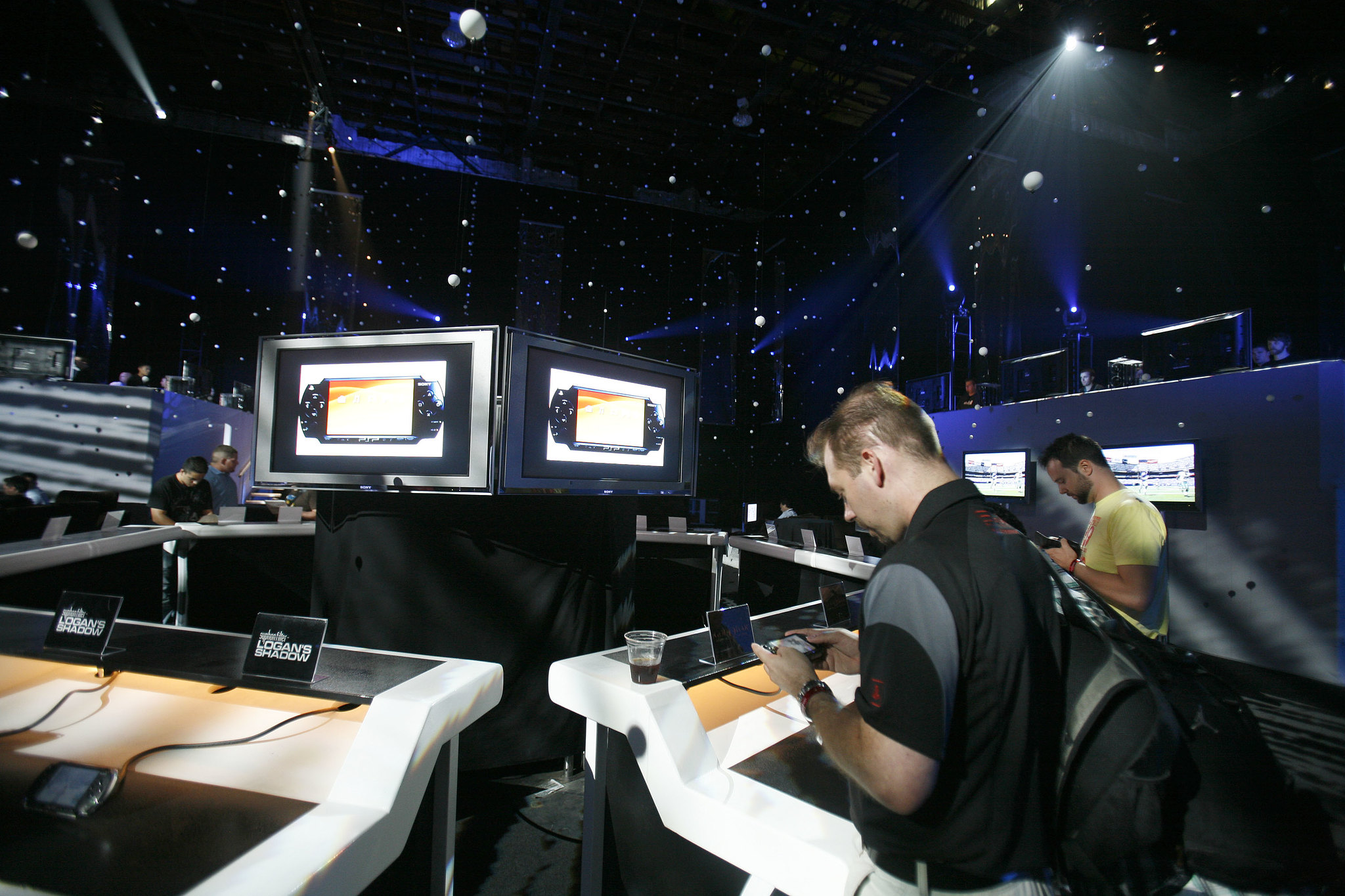
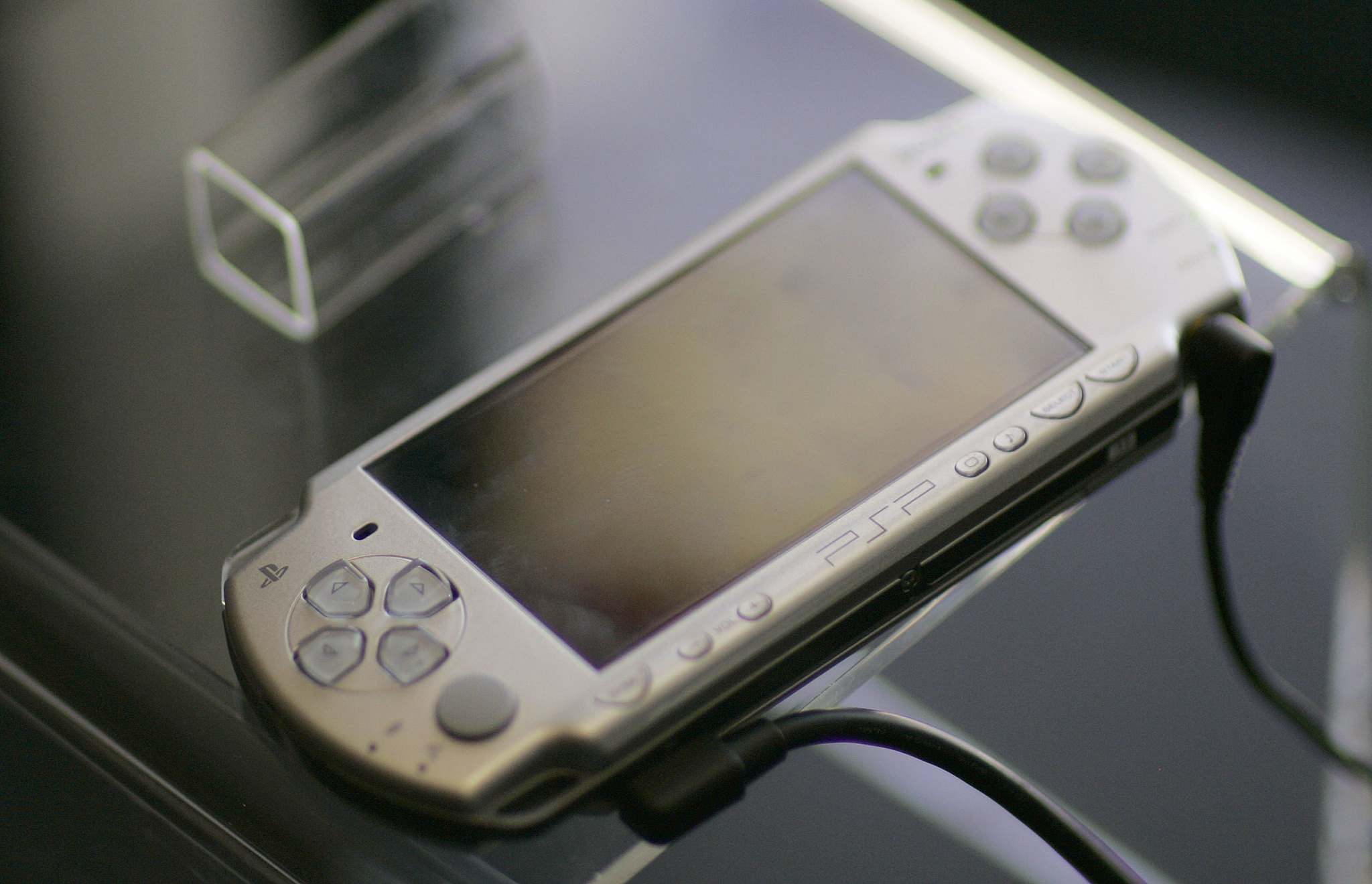
Sony planned to release the console in six different colors.
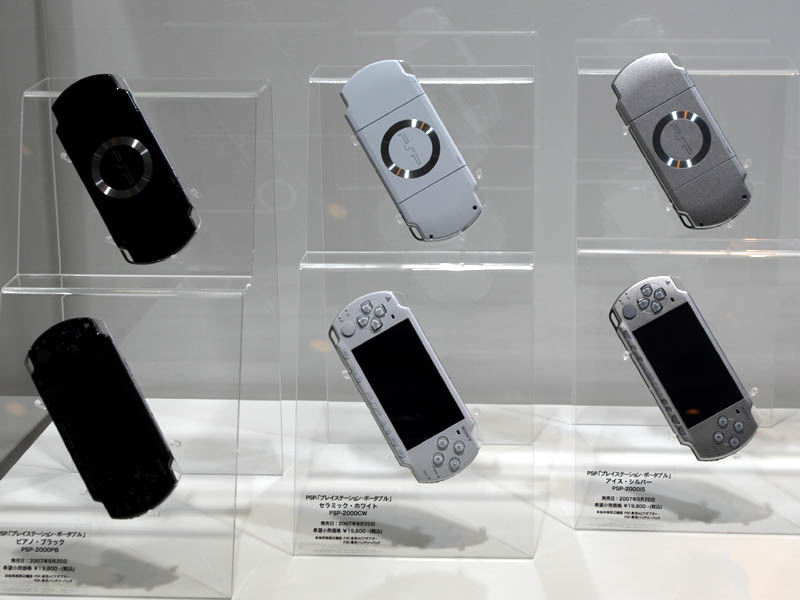
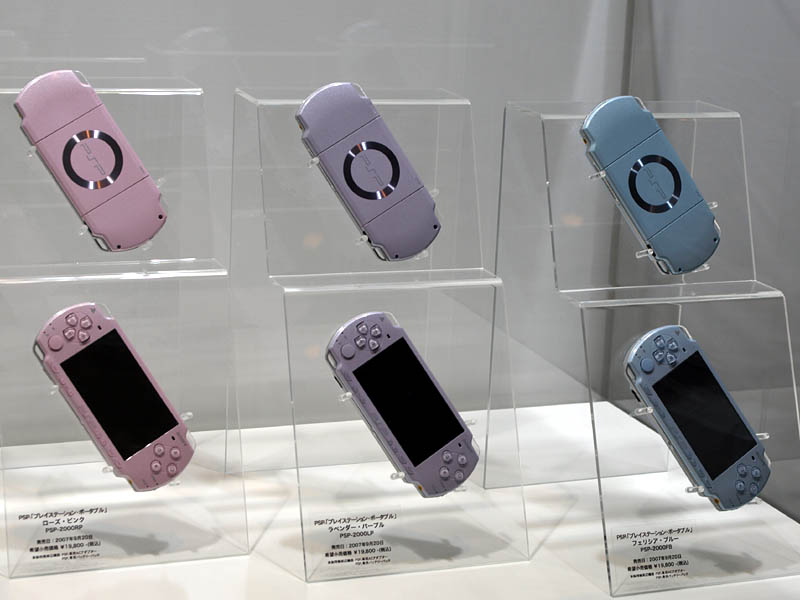
Moreover, if in the case of the PSP-1000 announcement Sony was just starting to develop the console, in this case it was already ready and released three months later.
Console Release
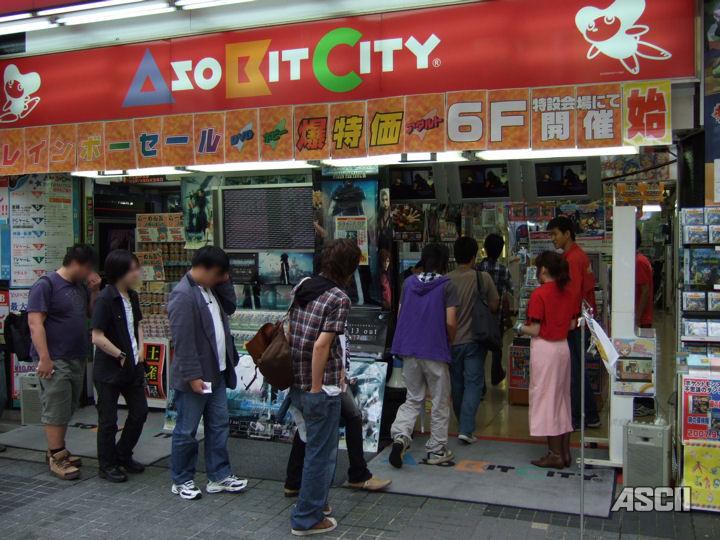
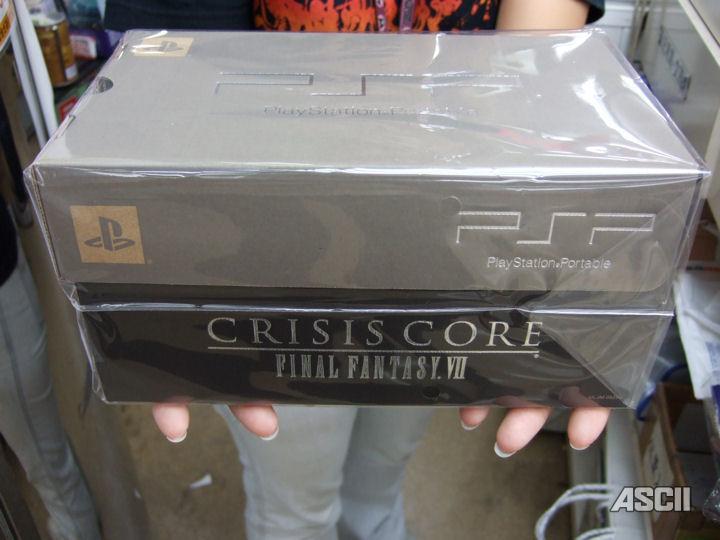
The PSP-2000 has very conflicting release data. For example, the Japanese Wikipedia states that the console went on sale on September 20, 2007. However, on September 13, 2007, the Asobit Game City store started selling a limited edition console called "Crisis Core Final Fantasy VII".
This bundle included the game and the new PSP-2000 console.
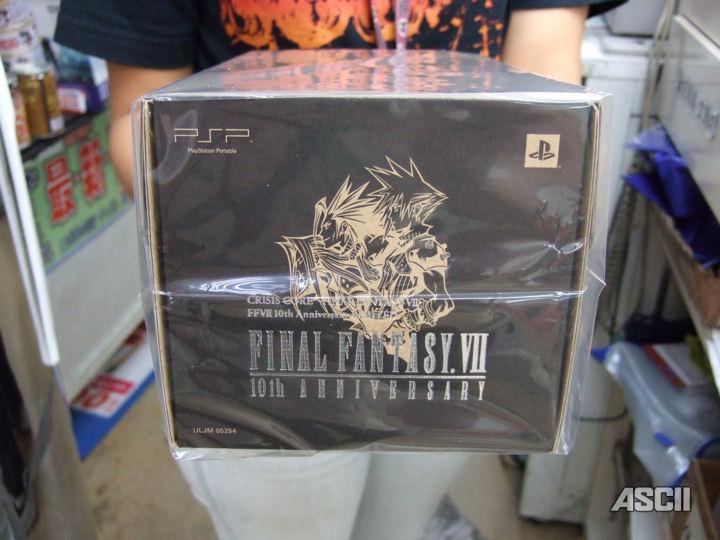
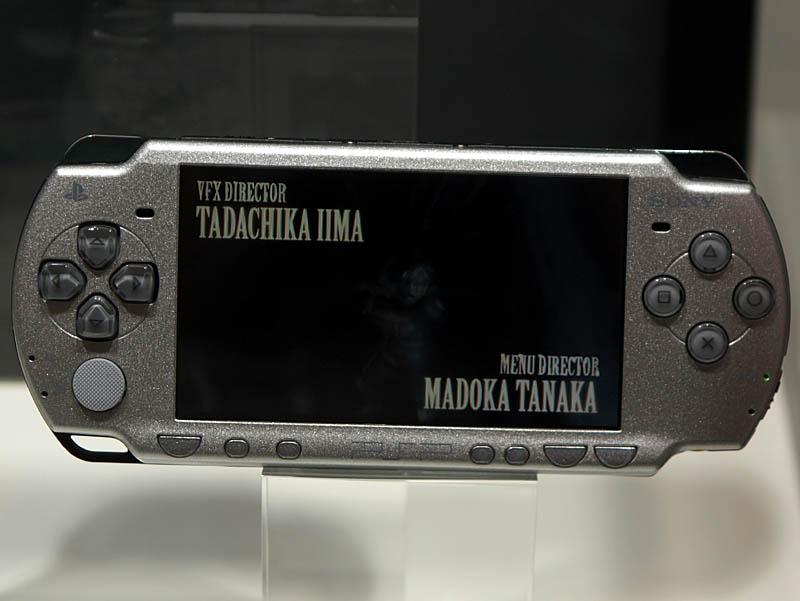
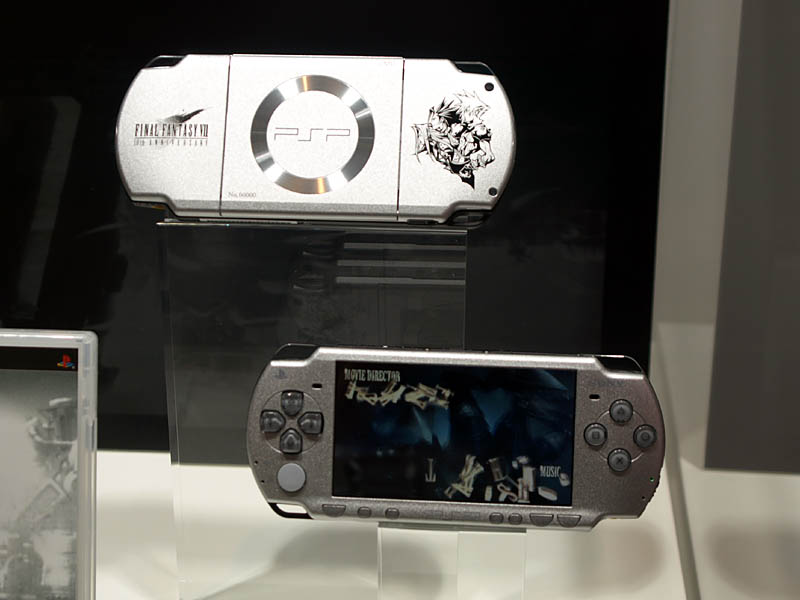
There was also a keychain.
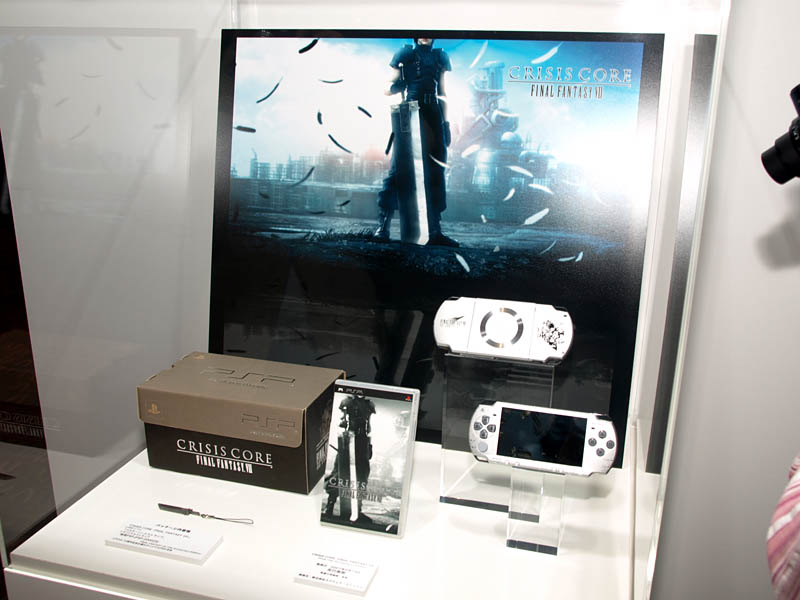
Moreover, only 25 bundles were put up for sale in the store.
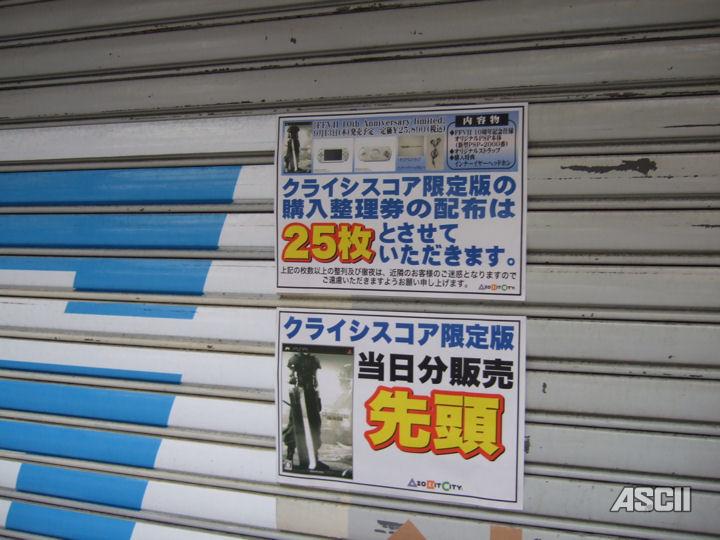
By 6:40 AM, a queue of 17 people had already formed.
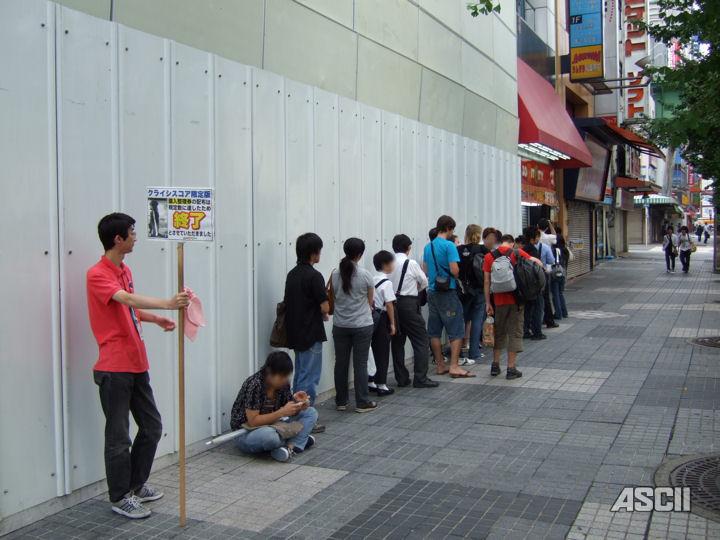
By 7:30 AM, there were about 25 people in line, and store employees began handing out sales tickets.
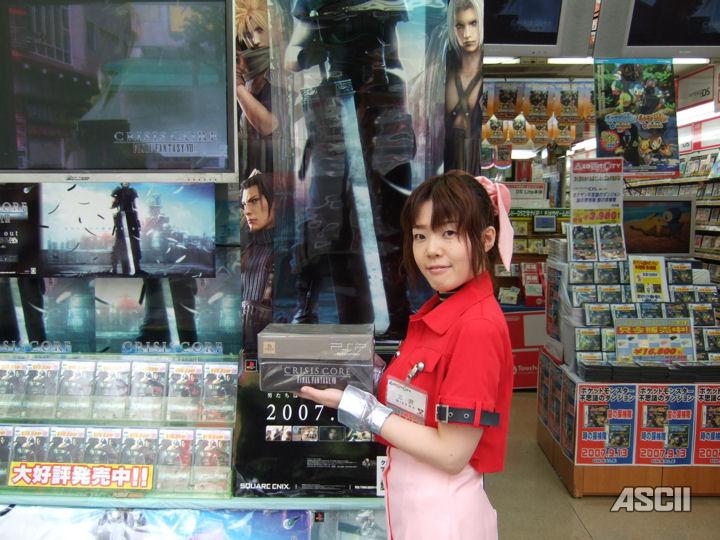
Many who arrived by 8 AM found out that they were too late, and all the consoles had been sold out.
Strangely, this event went quietly. Maybe there was no announcement? Especially when compared to what happened on September 20, 2006, during the official start of sales.
By 7 AM, a huge queue had already formed near the Bic Camera store.
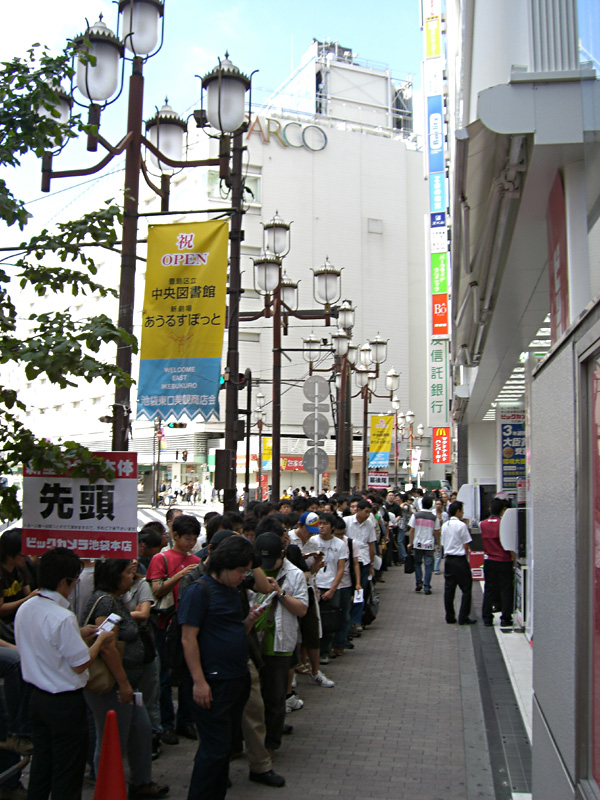
Usually, this store opened at 10 AM, but on this day, the employees planned to open earlier – around 9:30 AM.
Before opening, new cash registers were being set up in the store.
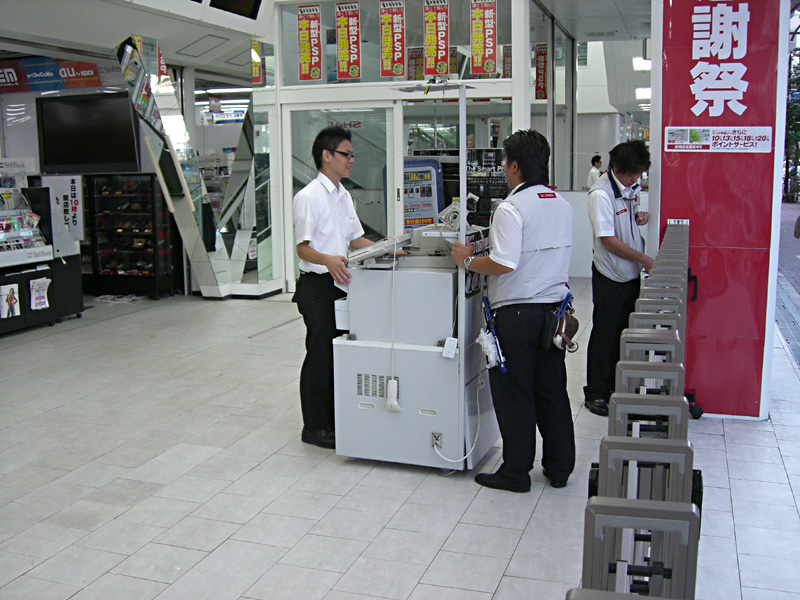
Sales began at 9:40 AM.
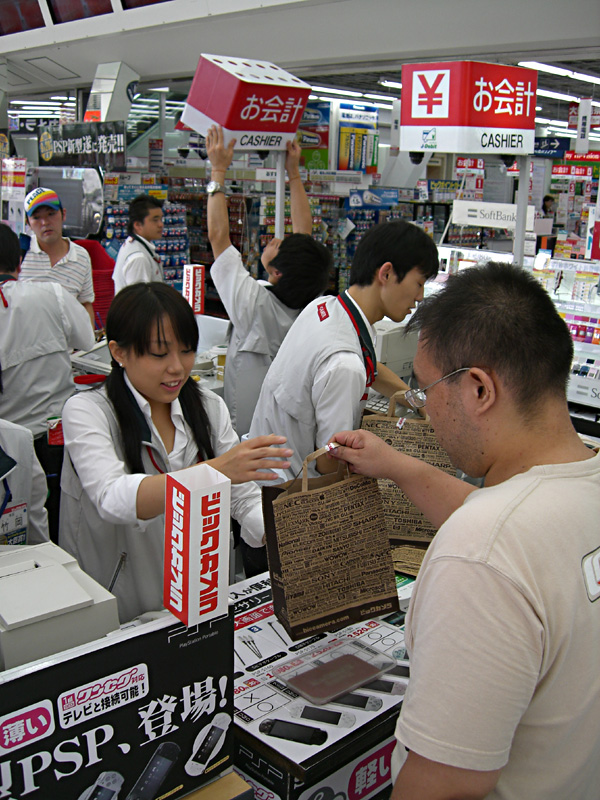
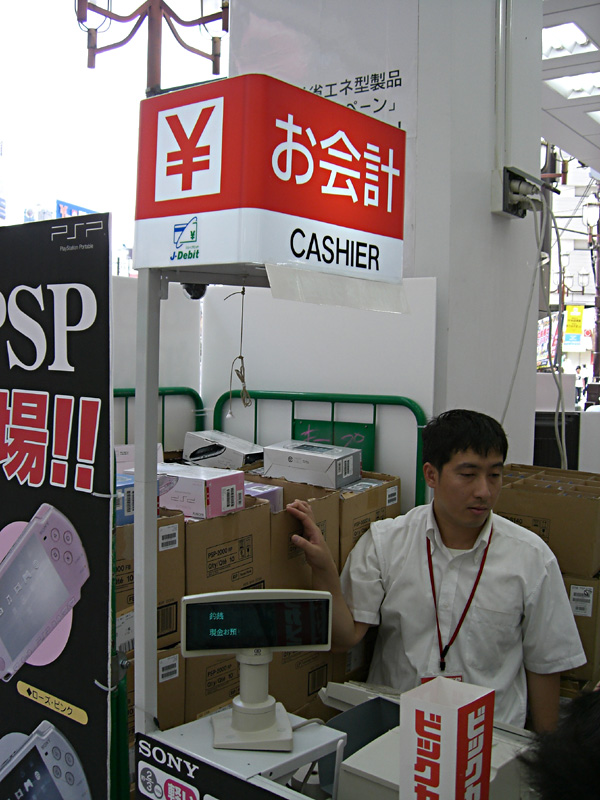
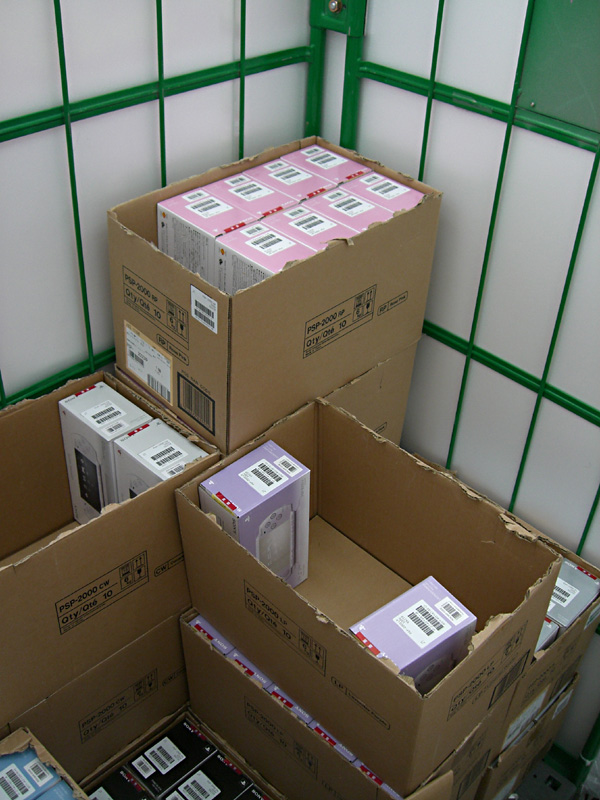
Interestingly, players mostly bought the black version of the console, while other colors were not in high demand.
Epilogue
The new PlayStation Portable received exactly the changes that users wanted. Overall, Sony did not overcomplicate things and followed the path taken by all portable console developers. The new portable became lighter and smaller, received additional features (TV output), and became a worthy successor to the PSP "fatty".
But this is far from the end.
Read the continuation in the article: The History of PlayStation Portable. Part 3. PSP-3000.

 РЕКЛАМА:
 «ООО АЛИБАБА.КОМ» (РУ),
ИНН: 7703380158